
Introduction
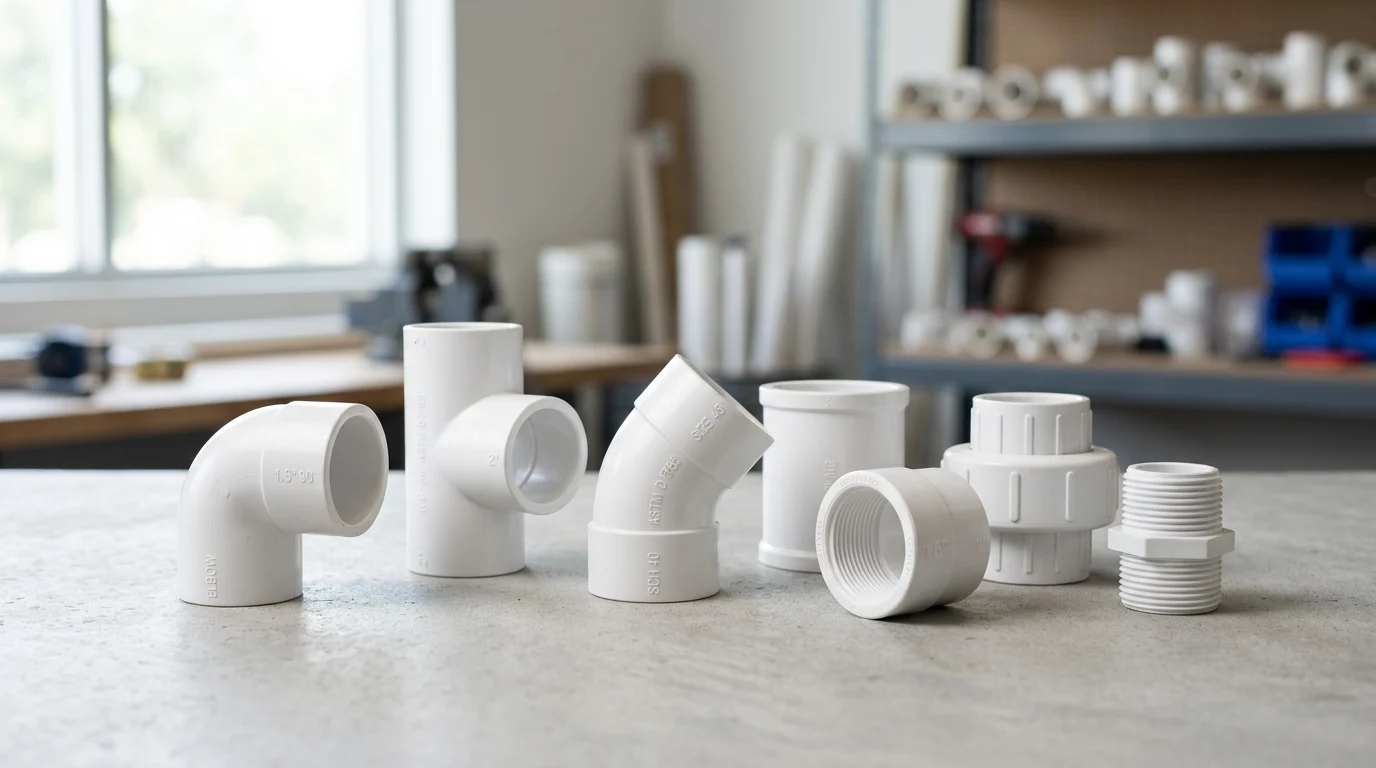
Choosing between plumbing PVC pipe fittings and brass fittings comes down to more than price. Each material behaves differently under pressure, heat, chemical exposure, and physical stress, which affects installation methods, maintenance needs, and overall service life. PVC is often preferred for lightweight, corrosion-resistant cold-water and drainage systems, while brass is commonly selected for durability, higher temperatures, and demanding supply lines. This article explains the key differences in performance, cost, lifespan, and typical applications so you can match the fitting material to the plumbing system, budget, and operating conditions with fewer surprises later.
Choosing Between PVC and Brass Plumbing Fittings
Selecting the appropriate materials for fluid routing is a foundational decision in mechanical and architectural engineering. The debate between plumbing PVC pipe fittings and their brass counterparts centers on balancing upfront material costs with long-term operational integrity. Both materials possess distinct mechanical properties that dictate their suitability across commercial, industrial, and residential plumbing networks.
Material impact on installation and service life
The inherent properties of these materials dictate their installation methodologies and expected lifecycles. Polyvinyl chloride (PVC) is highly favored for its lightweight profile, which accelerates handling and reduces structural load on building frameworks. When properly installed using primer and solvent cement, PVC networks typically deliver a reliable service life of 50 to 70 years in cold-water applications. Conversely, brass is a dense, copper-zinc alloy that demands heavier structural support but offers unparalleled mechanical durability. Brass fittings routinely achieve service lives exceeding 80 to 100 years, resisting physical impact, environmental degradation, and external crushing forces far better than synthetic polymers.
Common use cases for PVC and brass fittings
Application environments strictly govern the specification of these components. PVC dominates in low-pressure, ambient-temperature scenarios such as agricultural irrigation, municipal water mains, and drain-waste-vent (DWV) systems. Its total immunity to soil-borne galvanic corrosion makes it ideal for direct burial. However, industry standards limit standard PVC to environments where fluid temperatures do not exceed 140°F (60°C). Because of this thermal limitation, brass fittings are the mandatory standard for high-stress nodes, including hot water distribution lines, hydronic heating loops, and transitional connections to mechanical fixtures where temperatures routinely spike.
Core Performance Differences
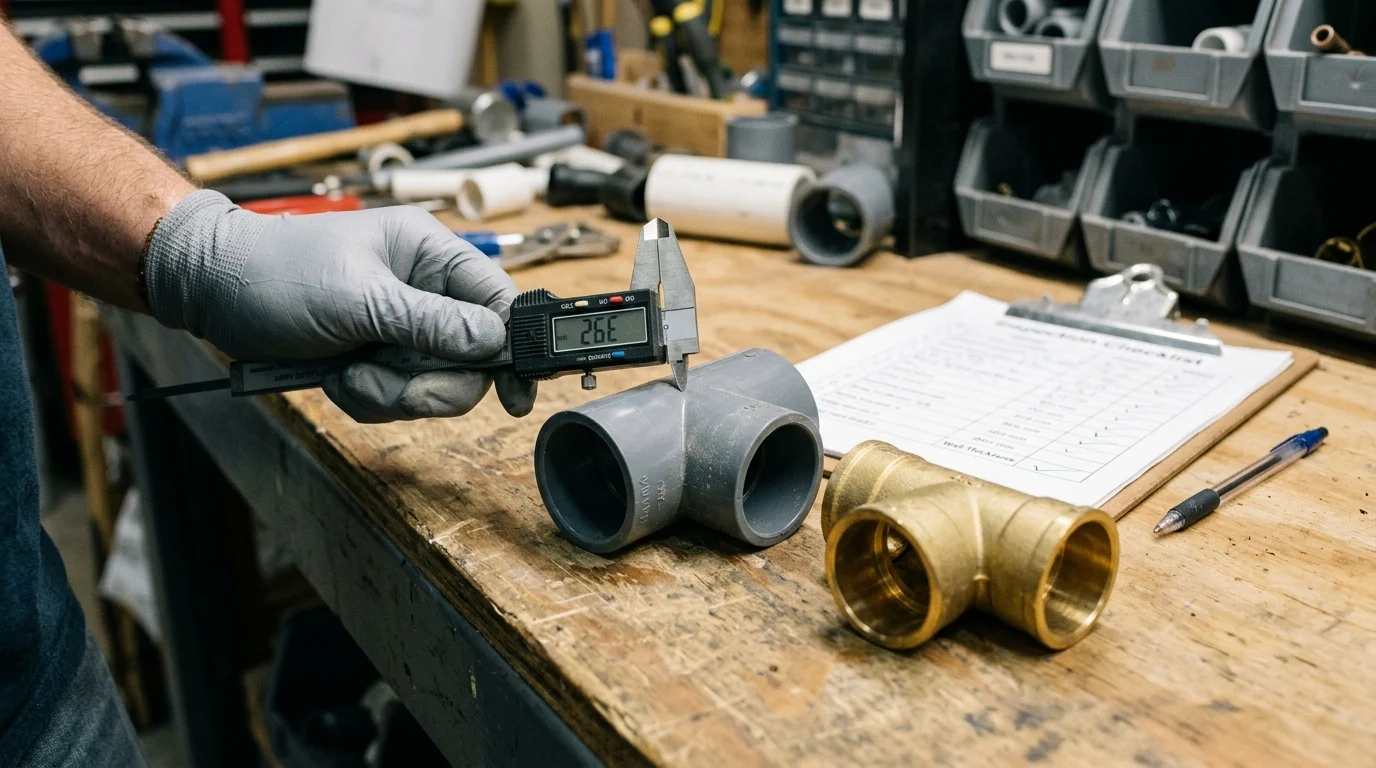
Analyzing the engineering specifications of plumbing PVC pipe fittings alongside brass alternatives reveals stark contrasts in thermal and pressure tolerances. Engineers must evaluate these core performance metrics to prevent catastrophic system failures and ensure code compliance.
Pressure, temperature, corrosion, and strength
Thermal and pressure thresholds serve as the primary dividing lines between these two materials. Standard Schedule 40 PVC experiences a sharp decline in pressure ratings as ambient or internal temperatures rise, effectively losing its structural integrity above 140°F (60°C). In contrast, brass fittings effortlessly manage high-temperature applications, routinely operating in environments exceeding 200°F (93°C) while maintaining pressure ratings well above 400 PSI. While PVC is entirely immune to galvanic and electrolytic corrosion, brass can be susceptible to dezincification if exposed to highly aggressive water systems with a pH below 6.5 or unusually high chloride concentrations.
Joining methods, stability, and repairability
The methodologies used to join these fittings dictate both the speed of initial assembly and the feasibility of future maintenance. PVC relies on solvent welding, a chemical fusion process that requires between 2 and 24 hours to cure depending on ambient humidity and pipe diameter. Once fused, PVC joints are permanent and must be completely cut out for repairs. Brass fittings utilize threaded NPT connections, compression rings, or sweat soldering. Threaded and compression brass joints allow for immediate system pressurization and can be non-destructively disassembled, drastically reducing downtime during critical maintenance operations.
Side-by-side comparison criteria
To streamline the evaluation process, the following table outlines the comparative baseline metrics for both fitting types.
| Specification Matrix | Standard PVC Fittings | Brass Fittings |
|---|---|---|
| Max Operating Temp | 140°F (60°C) | 200°F+ (93°C+) |
| Max Pressure (1-inch) | ~450 PSI at 73°F | 400 – 1000+ PSI |
| Corrosion Resistance | Excellent (Chemical) | Vulnerable to low pH (< 6.5) |
| Joining Method | Solvent Cement | Threaded, Soldered, Compression |
| Cure Time Required | 2 to 24 Hours | None (for threaded/compression) |
When Brass Fittings Are the Better Choice
While polymers dominate bulk fluid transport due to cost efficiency, brass fittings remain indispensable for critical infrastructure. For commercial contractors and facility managers, specifying brass is a strategic investment in system resilience, particularly where thermal stress and mechanical loads are highly concentrated.
Performance in hot water and repeated use
Hot water generation and distribution systems mandate the thermal stability that only metal components can provide. Building codes frequently stipulate that combustible or heat-sensitive piping cannot connect directly to water heaters. Typically, regulations require a minimum of 18 inches of metallic piping and fittings extending from the heat source before transitioning to synthetic materials. Brass fittings excel in these zones, absorbing repeated thermal expansion and contraction cycles without suffering from the fatigue, embrittlement, or micro-fracturing that plagues rigid polymers over years of repeated use.
Cost drivers, quality grades, and sourcing factors
Procuring brass fittings requires navigating a more complex supply chain and cost structure than sourcing bulk PVC. High-quality Dezincification Resistant (DZR) brass, which incorporates trace amounts of arsenic or tin to prevent zinc leaching, typically commands a 15% to 20% price premium over standard yellow brass but is essential for longevity in hard water areas. For large-scale commercial projects or OEM manufacturing, buyers must also account for Minimum Order Quantities (MOQs). Custom brass fitting production runs generally require MOQs ranging from 1,000 to 5,000 units, depending on the complexity of the CNC machining required. Understanding these cost drivers ensures accurate project estimating and material staging.
Compliance, Sourcing, and Total Cost
The specification of plumbing components extends beyond mechanical performance; it encompasses strict regulatory compliance, supply chain logistics, and total cost of ownership. Navigating these factors is critical for successful project execution and risk mitigation.
Codes, certifications, and potable water requirements
Regulatory compliance is paramount, particularly in potable water systems designed for human consumption. The Safe Drinking Water Act (SDWA) in the United States strictly limits the allowable lead content in plumbing components. To comply, brass fittings must be certified to NSF/ANSI 372 and NSF/ANSI 61 standards, which mandate a weighted average lead content of less than 0.25%. Plumbing PVC pipe fittings inherently meet lead-free requirements, but they must still carry NSF-pw (potable water) certifications to ensure no harmful plasticizers or chemical stabilizers leach into the water supply over time.
Lead content, manufacturing consistency, and logistics
The industry-wide transition to lead-free brass has introduced new manufacturing complexities. Lead traditionally acted as a vital lubricant during the machining of brass alloys. Modern lead-free alternatives, which substitute elements like bismuth or silicon, are significantly harder. This increased material hardness accelerates CNC tool wear by up to 30%, driving up manufacturing overhead and extending production timelines. Consequently, bulk procurement of specialized lead-free brass fittings often requires lead times of 6 to 8 weeks, necessitating precise inventory forecasting by wholesale distributors and mechanical contractors.
Evaluation steps for buyers and contractors
Procurement teams must weigh these variables systematically to avoid supply bottlenecks. The table below highlights the operational impacts of sourcing compliant fittings for commercial applications.
| Sourcing Variable | PVC Fittings | Lead-Free Brass Fittings |
|---|---|---|
| Potable Compliance | NSF 61 (Standard) | NSF/ANSI 372 (< 0.25% Lead) |
| Manufacturing Lead Time | 1 to 3 weeks | 6 to 8 weeks (Bulk/Custom) |
| Tooling & Setup Costs | High (Injection Molds) | Moderate (CNC Machining) |
| Unit Weight (Logistics) | Low (Cheaper Freight) | High (Premium Freight) |
How to Make the Final Selection
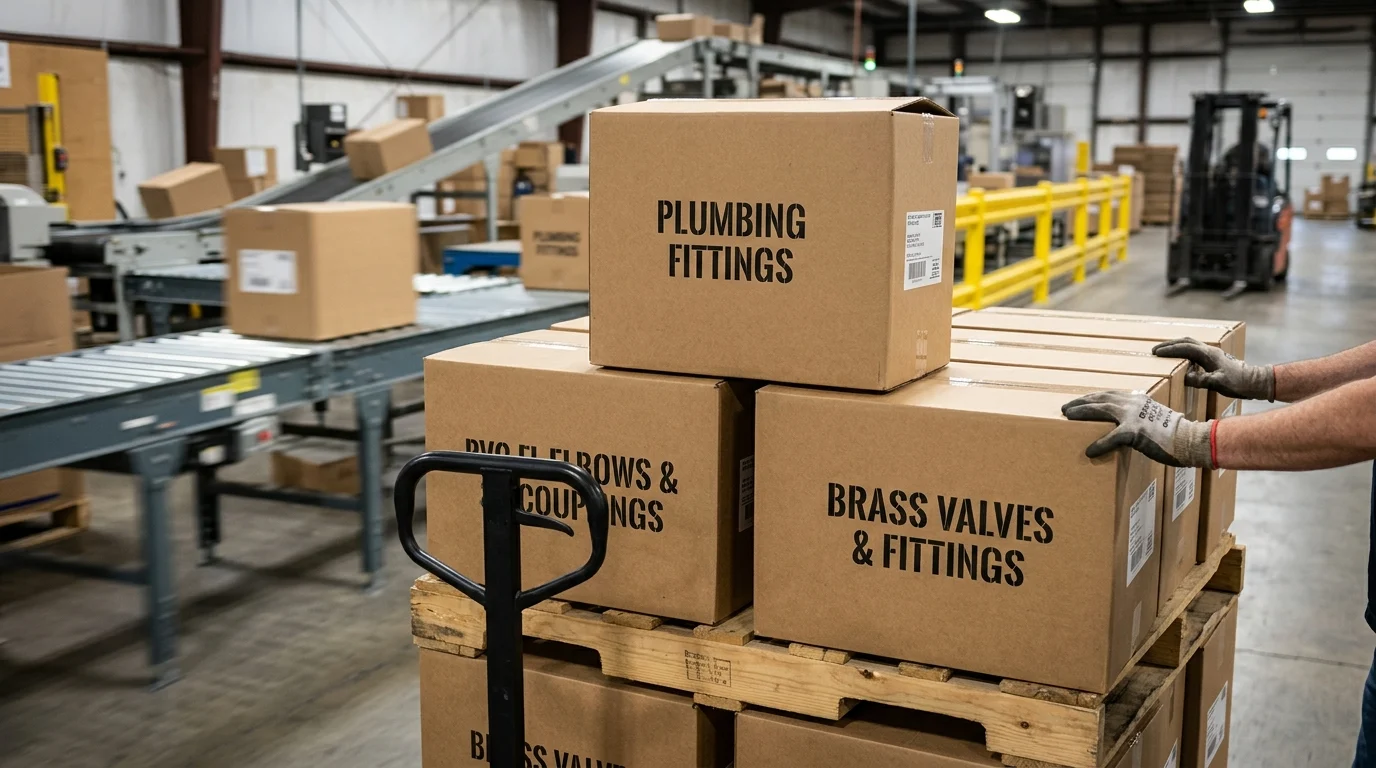
Arriving at a final specification requires engineers and procurement teams to align material capabilities with project-specific environmental demands and budgetary constraints. A blended approach often yields the most robust and cost-effective plumbing network.
Selection framework by application and environment
A rigorous selection framework dictates that materials are deployed where their physical strengths are maximized. If a system operates continuously at temperatures exceeding 140°F (60°C), or if the components will be exposed to direct ultraviolet (UV) radiation without protective cladding, brass is the undisputed choice. Conversely, for expansive, high-volume fluid transport networks such as underground irrigation or municipal sewer lines, the chemical resistance and rapid installation profile of plumbing PVC pipe fittings make them the superior specification. Engineers frequently design hybrid systems, utilizing PVC for long, straight, ambient-temperature runs and transitioning to brass for valves, junctions, and mechanical room connections.
Balancing upfront cost with long-term value
The economic calculation must extend beyond the initial purchase order. Upfront, brass fittings can cost 400% to 1000% more per piece than their PVC equivalents; a standard half-inch PVC elbow may cost $0.50, whereas a comparable lead-free brass elbow can exceed $4.50. However, value engineering requires calculating the total lifecycle cost. In high-pressure or high-temperature zones, the failure of a single polymer fitting can result in thousands of dollars in water damage, structural remediation, and operational downtime. Specifying premium brass in these critical nodes effectively neutralizes this risk, ensuring that the higher initial capital expenditure translates directly into long-term asset protection and drastically reduced maintenance liabilities.
Key Takeaways
- The most important conclusions and rationale for plumbing pvc pipe fittings
- Specs, compliance, and risk checks worth validating before you commit
- Practical next steps and caveats readers can apply immediately
Frequently Asked Questions
When should I choose plumbing PVC pipe fittings instead of brass?
Use PVC for cold-water, DWV, irrigation, and buried lines where temperatures stay below 140°F and low cost matters.
When are brass fittings the better option?
Choose brass for hot water, hydronic systems, high-impact areas, and fixture connections needing higher strength and temperature resistance.
Can PVC fittings handle high pressure?
At 73°F, some Schedule 40 PVC fittings handle high pressure, but ratings drop as temperature rises. Always verify the fitting’s pressure chart.
Are PVC fittings easier to install than brass fittings?
Usually yes. PVC is lighter and solvent-welded, but joints need cure time. Brass threaded or compression fittings can be pressurized immediately.
How can buyers source reliable fitting suppliers for project needs?
Compare material specs, pressure ratings, and application support. For industrial metal fitting supply options, review manufacturers like nbfh-metal.com for available brass products.
Post time: Apr-23-2026