
Introduction
Pipe union fittings are used when a piping system must be connected securely yet opened again without cutting pipe or disturbing nearby components. This guide explains how unions differ from couplings, where they are typically used, and how their three-piece design creates a reliable seal. You will also learn the main thread types, common material and pressure considerations, and practical installation tips that help prevent leaks, galling, and misalignment. With that foundation, the rest of the article will make it easier to choose the right union fitting for maintenance access, equipment changes, and long-term system reliability.
What Is a Pipe Union Fitting
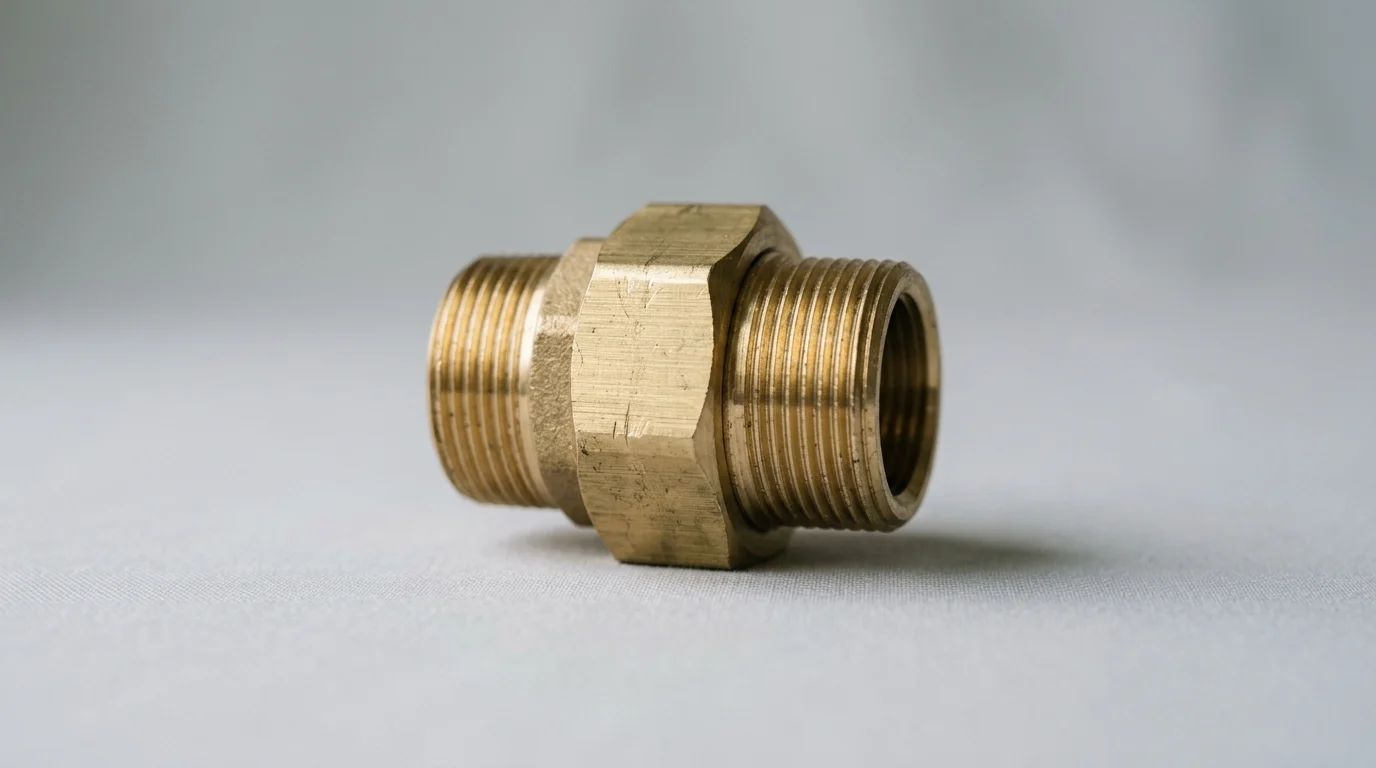
A pipe union fitting is a specialized mechanical joint designed to connect two separate pipes while allowing for future disconnection without cutting or deforming the pipeline. Unlike standard couplings, which typically require lateral pipe movement or cutting for removal, unions provide a seamless breakout point. This fundamental difference makes them indispensable in industrial piping systems where regular maintenance, component replacement, or system modifications are anticipated.
Core Components and How They Work
The structural integrity of a pipe union fitting relies on three core components: a male end, a female end, and a threaded nut. The male and female ends are permanently attached to their respective pipes via threading or welding. The threaded nut then draws these two ends together to create a tight seal. Most industrial unions utilize a metal-to-metal ground joint, often featuring a spherical or conical seat that forces the mating surfaces together under high mechanical compression.
For extreme applications, heavy-duty forged steel unions are manufactured to specific pressure classes—commonly Class 3000 or Class 6000—indicating their ability to safely handle internal pressures up to 3,000 PSI and 6,000 PSI, respectively. Some modern iterations also incorporate an elastomeric O-ring (such as FKM or NBR) to provide a secondary, soft-sealing mechanism against fugitive emissions.
Common Materials and Application Fit
Material selection directly dictates the chemical compatibility, thermal limits, and mechanical strength of the union. Common materials range from standard carbon steel and forged stainless steel to brass and engineered plastics like PVC or CPVC. Carbon steel (e.g., ASTM A105) is preferred for high-pressure hydrocarbon applications, while stainless steel (e.g., 316/316L) is deployed in corrosive environments such as chemical processing and food manufacturing.
| Material Type | Typical Temperature Range | Common Pressure Rating (Max) | Primary Application |
|---|---|---|---|
| Forged Carbon Steel (A105) | -20°F to 800°F | 3,000 – 6,000 PSI | Oil & gas, petrochemical |
| Stainless Steel (316L) | -325°F to 1,000°F | 3,000 – 6,000 PSI | Corrosive media, sanitary |
| Brass | -40°F to 400°F | 1,000 PSI | Water, low-pressure air |
| PVC (Schedule 80) | 32°F to 140°F | 150 – 250 PSI | Water treatment, irrigation |
Why Pipe Union Selection Matters
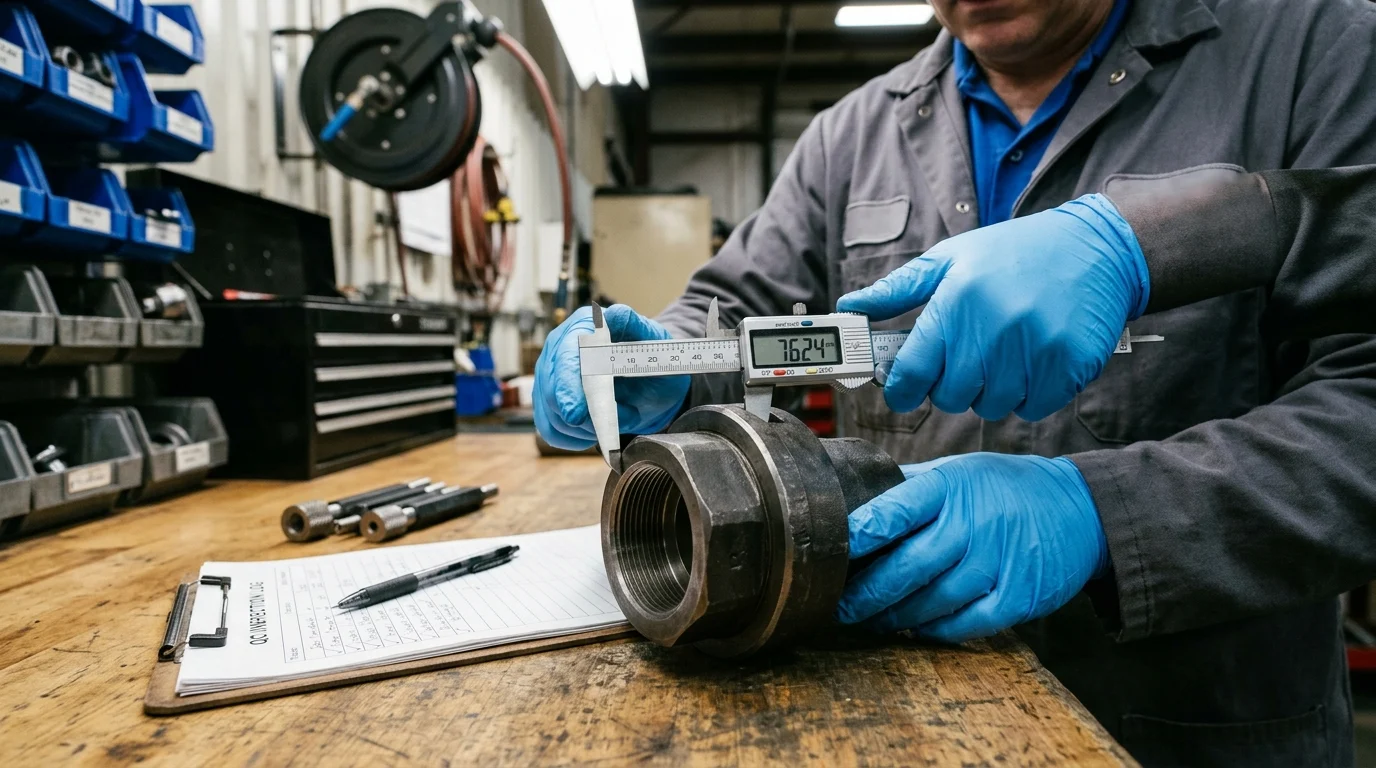
Selecting the correct pipe union fitting is not merely a matter of dimensional matching; it is a critical engineering decision that impacts system uptime, lifecycle costs, and operational safety. A mismatched or under-specified union can lead to catastrophic leaks, environmental hazards, or unscheduled process shutdowns. Consequently, engineers must evaluate the operational context before specifying a union for any fluid handling system.
Maintenance Access and Faster Disassembly
The primary justification for specifying a union over a permanent coupling or welded joint is the facilitation of rapid maintenance. In systems containing pumps, valves, or heat exchangers, unions act as mechanical isolation points. By unthreading the nut, technicians can quickly remove adjacent equipment for servicing.
This modular design reduces pipe disassembly time by up to 70% compared to systems that require cutting, grinding, and subsequent re-welding. In high-turnaround industrial environments, this reduction in labor hours and the elimination of hot-work permits translate directly into substantial cost savings and minimized production downtime.
Service Conditions That Affect Selection
Service conditions—specifically pressure, temperature, and fluid dynamics—dictate the exact specifications required for the union. Thermal cycling is a particularly critical variable; rapid fluctuations in temperature cause expansion and contraction at the joint, which can loosen the nut or compromise the metal-to-metal seat if the materials lack sufficient elasticity.
For instance, standard industrial unions operate reliably between -20°F and 400°F, but systems experiencing thermal shocks or cryogenic temperatures down to -325°F require specialized austenitic stainless steels or alloys to prevent brittle fracture. Additionally, the presence of abrasive particulates or highly corrosive media requires careful calculation of the corrosion allowance, often necessitating a minimum wall thickness threshold to ensure the union achieves its intended 15- to 20-year operational lifecycle.
Thread Types and End Connections
The method by which a pipe union fitting connects to the adjacent piping determines its mechanical integrity and leak-tightness under load. Specification errors in thread geometry or end-connection types are among the leading causes of joint failure in industrial piping systems.
NPT, BSPT, BSPP, and Metric Thread Differences
Threaded connections are ubiquitous in smaller-diameter piping, but navigating the various thread standards requires precision. National Pipe Taper (NPT), governed by ANSI/ASME B1.20.1, features a 60-degree thread angle and creates a seal through the interference fit of the threads themselves. In contrast, British Standard Pipe Taper (BSPT) utilizes a 55-degree thread angle. Attempting to mate an NPT male with a BSPT female will result in an immediate leak path and thread galling.
British Standard Pipe Parallel (BSPP) and metric parallel threads rely not on thread interference, but on an external sealing washer or O-ring to contain pressure. Recognizing these geometric differences is vital; a mismatch of even a single degree in thread pitch or angle reduces the joint’s pressure containment capacity by over 80%, virtually guaranteeing a blowout under operational loads.
When to Choose Threaded, Socket Weld, or Butt Weld Ends
The choice between threaded, socket weld, and butt weld ends depends entirely on the system’s pressure class, pipe diameter, and vibration profile.
| End Connection Type | Ideal Pipe Size Range | Vibration Resistance | Typical Application |
|---|---|---|---|
| Threaded (NPT/BSPT) | 1/8″ to 2″ | Low to Moderate | Utility lines, low-pressure fluids |
| Socket Weld | 1/2″ to 2″ | High | High-pressure steam, toxic chemicals |
| Butt Weld | 2″ and larger | Very High | Main process lines, critical infrastructure |
Threaded ends are cost-effective and easy to install but are susceptible to fatigue in high-vibration environments. Socket weld unions, conforming to ASME B16.11, are preferred for lines up to 2 inches where absolute leak-tightness is required, as the fillet weld provides superior mechanical strength. For pipe diameters exceeding 2 inches or in systems subjected to severe cyclic loading, butt weld connections are mandated to ensure full penetration and radiographic inspectability.
Installation, Inspection, and Replacement
Even the highest-quality pipe union fitting will fail if improperly installed or neglected during routine maintenance. Establishing standardized procedures for installation, inspection, and eventual replacement ensures the longevity of the piping network and protects personnel from hazardous fluid releases.
Installation Best Practices
Proper installation begins with meticulous cleaning of the mating surfaces and threads. For threaded unions, applying a compatible thread sealant—such as high-density PTFE tape wrapped 2 to 3 times in the direction of the thread, followed by a chemical-resistant pipe dope—prevents galling and fills microscopic voids. Crucially, the internal ground joint seat must remain entirely free of sealant or debris, as any foreign particulate will prevent the metal-to-metal seal from seating correctly.
Torque application must be carefully controlled. Avoid over-torquing, which can distort the seating surfaces. As a baseline metric, standard 1-inch NPT carbon steel unions typically require an assembly torque between 75 and 100 ft-lbs, though installers must always defer to the specific manufacturer’s torque charts based on material yield strength and pressure class.
Inspection Checkpoints and Common Failure Modes
Routine preventative maintenance should include visual and tactile inspections of all critical unions. Inspectors must look for signs of localized corrosion, weeping at the threads, or micro-cracking along the nut. Ultrasonic thickness gauging can be employed to detect internal erosion caused by high-velocity media.
A common failure mode is overtightening to compensate for an aging seal. If a union continues to weep after being torqued to its maximum specified limit, the metal-to-metal seats are likely compromised. Industry best practices dictate that if the seating surfaces exhibit pitting, scoring, or deformation exceeding 0.1mm in depth, the entire union must be replaced, as re-machining the seats is generally not cost-effective or safe for pressure-retaining components.
How to Evaluate Pipe Union Options
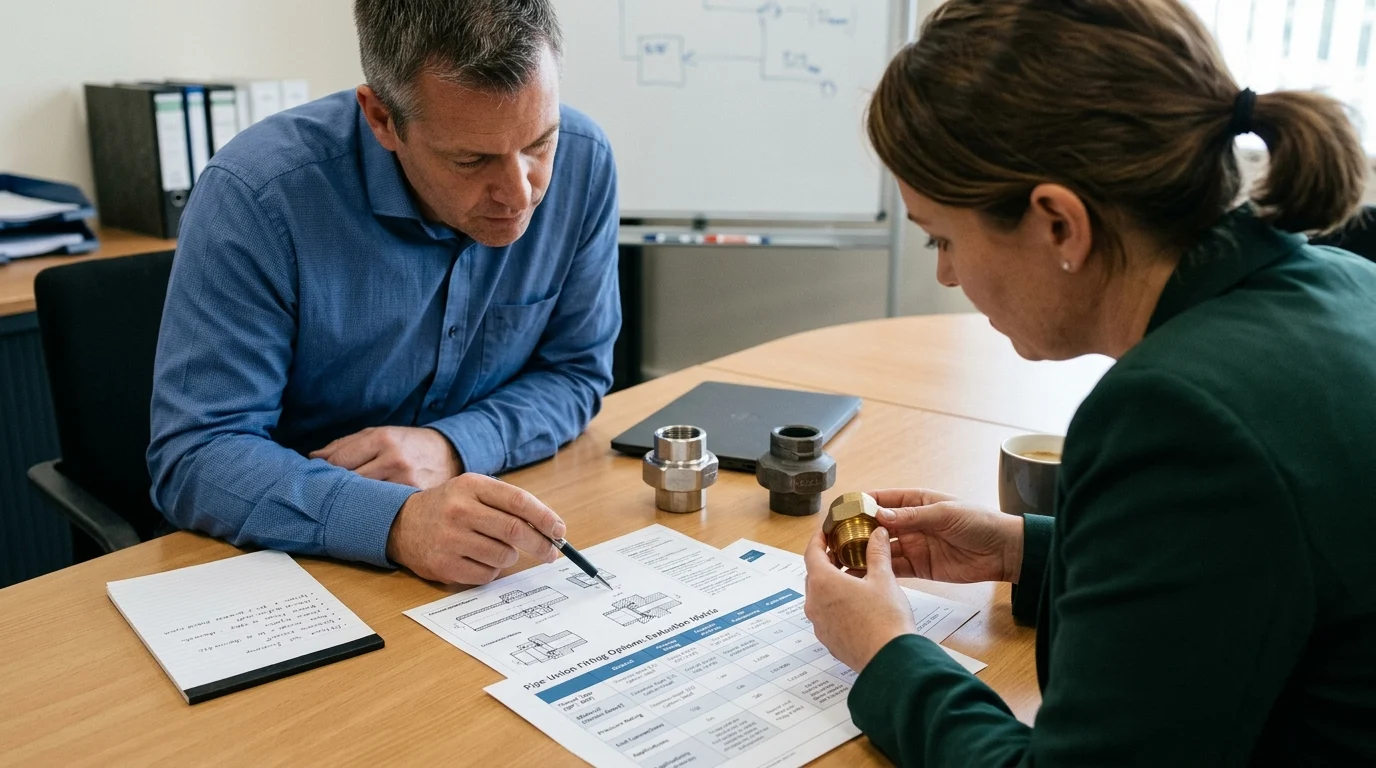
Procuring the optimal pipe union fitting requires balancing upfront costs, supply chain lead times, and strict adherence to engineering specifications. Buyers and engineers must collaborate to evaluate manufacturer capabilities and ensure all components meet the necessary regulatory and operational benchmarks.
Key Comparison Criteria
When comparing options across different suppliers, key criteria extend beyond base unit pricing. Traceability is paramount in high-pressure applications; buyers should mandate EN 10204 3.1 material test certificates to verify the chemical composition and mechanical properties of the forgings. Furthermore, dimensional compliance with standards such as ASME B16.11 or MSS SP-83 must be explicitly confirmed.
Logistics also play a critical role. While standard carbon steel Class 3000 unions are typically available off-the-shelf, specialized alloys like Hastelloy or Duplex stainless steel often require lead times of 8 to 12 weeks and carry Minimum Order Quantities (MOQs) ranging from 100 to 500 units, depending on the foundry’s casting schedules.
Final Selection Checklist
Before finalizing a purchase order, utilize a rigorous selection checklist to mitigate procurement risks. First, verify that the union’s material is chemically compatible with the process media across all anticipated temperature ranges. Second, double-check the pressure class rating against the system’s maximum allowable working pressure (MAWP), factoring in a safety margin of at least 20%.
Finally, confirm the exact thread geometry or weld schedule required by the on-site installation team. Supplying the correct thread pitch gauges to incoming quality control departments ensures that any non-conforming batches are caught before they reach the plant floor, thereby securing the structural integrity of the entire piping infrastructure.
Key Takeaways
- The most important conclusions and rationale for pipe union fitting
- Specs, compliance, and risk checks worth validating before you commit
- Practical next steps and caveats readers can apply immediately
Frequently Asked Questions
What is a pipe union fitting used for?
It connects two pipes while allowing quick disconnection for maintenance, pump removal, or valve replacement without cutting the line.
How do I choose the right pipe union material?
Match material to media, temperature, and pressure: carbon steel for high-pressure oil and gas, 316/316L stainless for corrosive service, brass for water, and PVC/CPVC for lower-pressure chemical or water systems.
Which thread types are common for pipe union fittings?
Common options include NPT, BSPT, and BSPP. Confirm the thread standard on both mating parts before installation to avoid leaks or thread damage.
What installation tips help prevent leaks in a pipe union fitting?
Align both pipe ends, clean the sealing faces, use the correct sealant only on threaded ends if specified, and tighten the union nut evenly without over-torquing.
Can NBFH Metal supply different pipe union fitting options?
Yes. NBFH Metal offers metal fitting solutions in multiple materials and connection styles; confirm your required pressure class, material grade, and thread standard before ordering.
Post time: May-21-2026