
Introduction
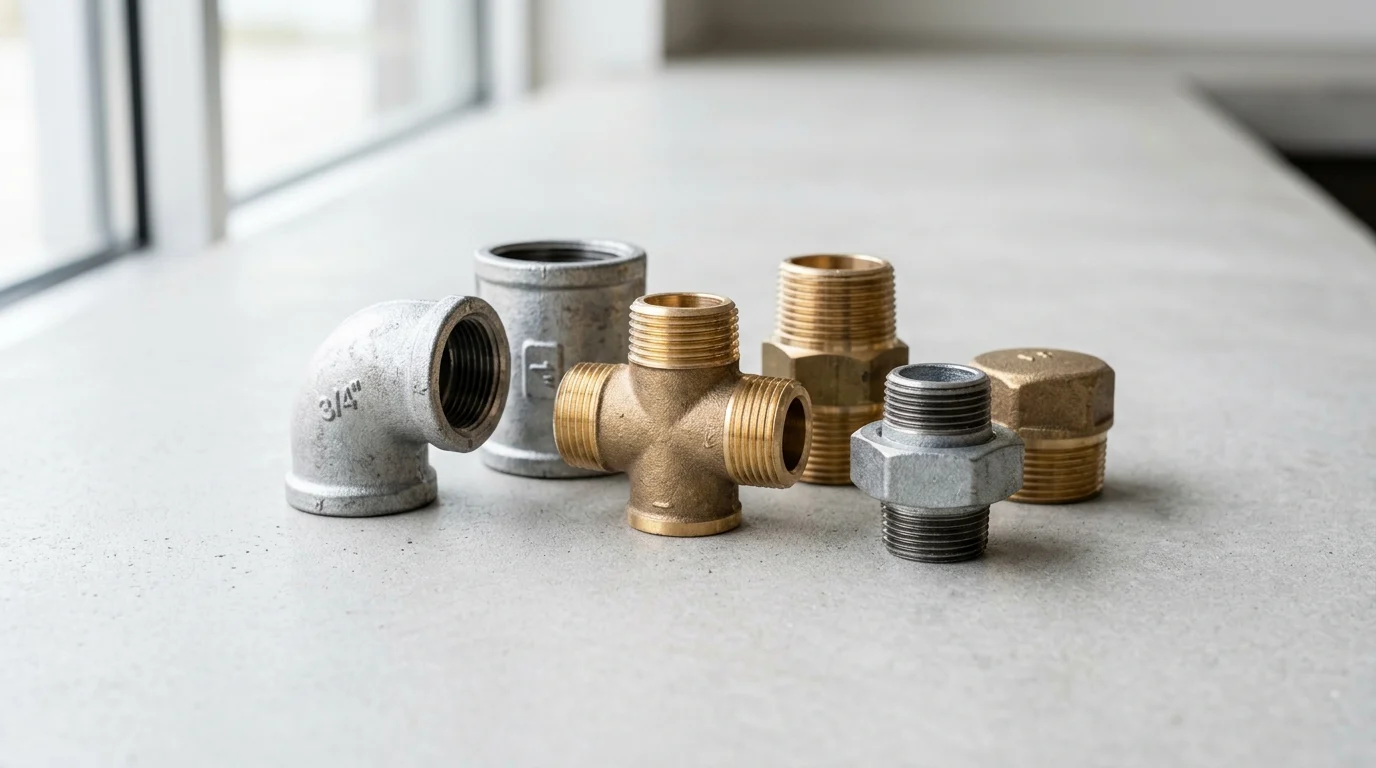
In industrial piping systems, a small fitting choice can affect leak prevention, maintenance access, safety compliance, and long-term uptime. Threaded pipe fittings are widely used because they create strong mechanical connections without welding, making them practical for repairs, hazardous areas, and systems where disassembly may be required. However, the right selection depends on more than matching pipe size. Engineers and buyers must consider pressure rating, material compatibility, thread standard, sealing method, vibration exposure, temperature range, and the fluid or gas being conveyed. This article explains the key factors that determine fitting performance so you can specify threaded connections that suit real operating conditions and reduce avoidable failures.
Why threaded pipe fittings matter in industrial reliability
Threaded pipe fittings serve as foundational components in industrial fluid and gas transport systems, offering a reliable, weld-free method for joining pipe sections. Their primary advantage lies in the mechanical thread engagement, which eliminates the need for hot work permits and specialized welding labor. This characteristic makes them particularly valuable in hazardous environments, such as chemical processing plants and oil refineries, where explosive atmospheres strictly prohibit open flames.
Impact on uptime and maintenance
The structural integrity of a piping network heavily dictates overall facility uptime. When engineered correctly, threaded connections provide a robust seal that minimizes leak paths and withstands moderate mechanical stress. However, improper selection or poor thread engagement can introduce vulnerabilities, particularly in systems subjected to heavy cyclical loading or water hammer. Industry data indicates that in high-vibration fluid systems, suboptimal threaded connections can increase maintenance-related downtime by 15 to 20 percent. To mitigate these risks, plant engineers must rigorously evaluate specific torque requirements and thread sealant compatibility to ensure long-term operational stability.
Best-fit operating conditions
Threaded connections are not universally applicable and perform best within specific operational envelopes. They are predominantly utilized for small-bore piping, typically defined as nominal pipe sizes (NPS) of 2 inches and smaller. In these dimensions, they handle pressure ratings effectively, often sustaining internal pressures up to 4,000 PSI depending on the specific material grade and pressure class. For applications exceeding this pressure threshold, or those involving highly corrosive or toxic media, engineers often transition to socket weld or flanged connections. Understanding these geometric and pressure boundaries is essential for deploying threaded fittings where they deliver the highest reliability without compromising safety margins.
Key threaded pipe fitting specifications to evaluate
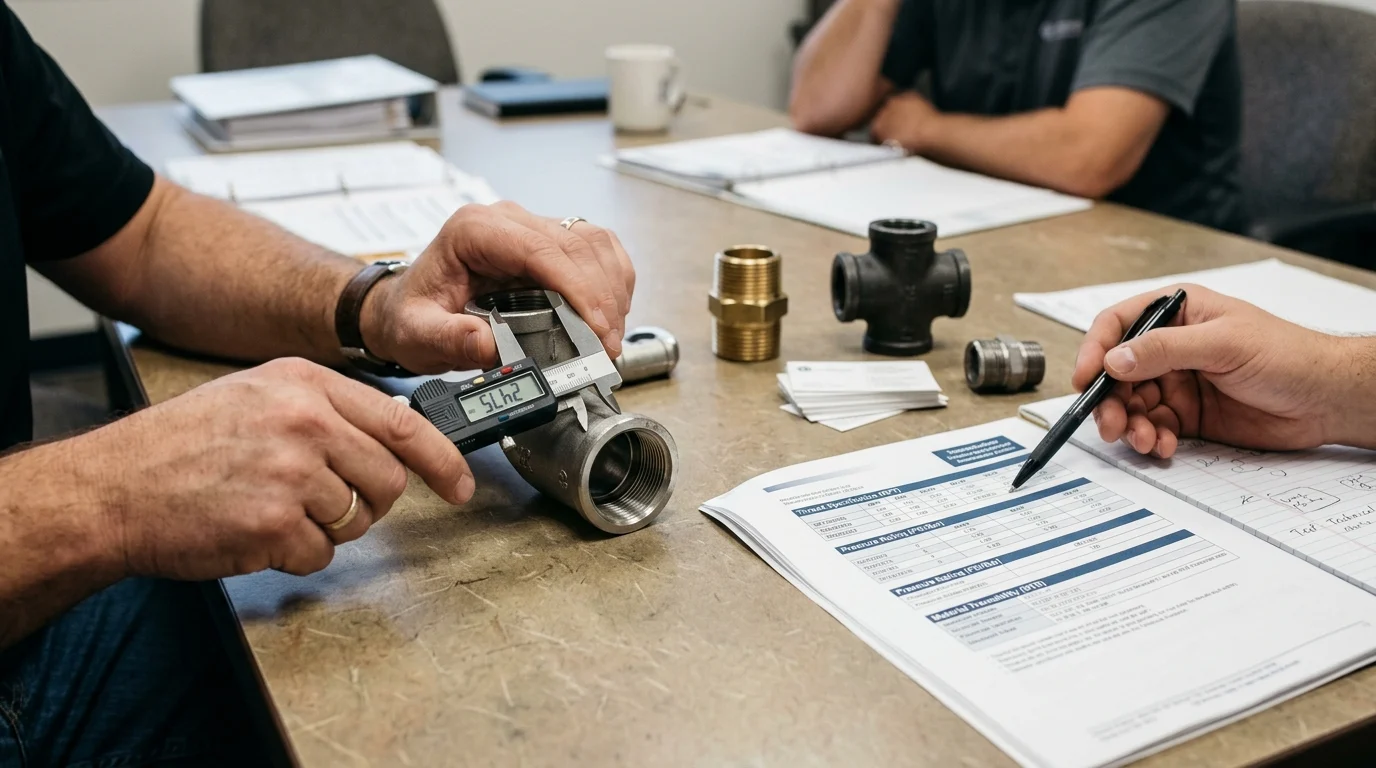
Specifying threaded pipe fittings requires a multidimensional analysis of the operating environment and the fluid media. A single mismatched specification can lead to accelerated corrosion, pressure blowouts, or systemic contamination. Engineers must evaluate materials, thread geometries, and pressure ratings in concert to guarantee system integrity.
Material, pressure, temperature, and media compatibility
Material selection is dictated by the chemical composition of the media and the thermal operating range. Austenitic stainless steels, specifically 304 and 316 grades, are industry standards for their exceptional corrosion resistance and broad thermal tolerance, with 316 stainless steel capable of operating reliably at temperatures up to 1,000°F (537°C). Conversely, carbon steel fittings (such as ASTM A105) are highly cost-effective for non-corrosive industrial applications like steam and compressed air but require protective coatings to prevent oxidation. Brass fittings are common in pneumatic and low-toxicity water systems but face strict thermal limitations, typically degrading structurally above 400°F (204°C). Pressure requirements must align with these materials through standardized classifications, predominantly Class 2000, 3000, and 6000, which dictate the wall thickness and ultimate burst pressure of the fitting.
Thread standards, fitting types, and tolerances
The mechanical interface of the fitting relies entirely on the thread standard employed. National Pipe Thread Taper (NPT) is the dominant standard in North America, governed by ASME B1.20.1. NPT threads feature a specific taper angle of 1° 47′ (1.7899°), which allows the male and female threads to wedge together, creating a mechanical seal that is subsequently made fluid-tight with PTFE tape or liquid sealants. In contrast, British Standard Pipe (BSP) threads are prevalent in Europe and Asia, available in both tapered (BSPT) and parallel (BSPP) geometries. It is a critical engineering imperative that NPT and BSP threads are never mixed within a system, as their differing pitch and flank angles will result in galling, stripped threads, and guaranteed leak paths. Furthermore, precision manufacturing tolerances are required to ensure the pitch diameter and thread crests align perfectly, preventing spiral leakage under high pressure.
Using comparison tables for evaluation
Consolidating these variables into standardized comparison matrices allows procurement and engineering teams to make rapid, accurate decisions. By mapping pressure classes against pipe schedules, engineers can ensure that the fitting is not the weakest link in the piping system.
| Pressure Class | NPS Range | Max Operating Pressure (PSI) @ 100°F | Typical Pipe Schedule Match |
|---|---|---|---|
| Class 2000 | 1/8″ – 4″ | 2,000 | Schedule 80 |
| Class 3000 | 1/8″ – 4″ | 3,000 | Schedule 160 |
| Class 6000 | 1/8″ – 4″ | 6,000 | Double Extra Strong (XXS) |
Using such tables ensures that a Class 3000 fitting is correctly paired with Schedule 160 pipe, maintaining uniform wall thickness and pressure containment throughout the assembly.
How to assess quality, compliance, and suppliers
Validating the structural and metallurgical integrity of threaded pipe fittings is a non-negotiable phase of the procurement cycle. Industrial buyers must implement stringent quality assurance protocols to filter out substandard components that could compromise facility safety and regulatory compliance.
Codes, certifications, testing, and traceability
Compliance with international metallurgical and dimensional codes forms the baseline for supplier evaluation. Fittings must conform to rigorous standards such as ASME B16.11 for forged fittings and ASTM material specifications (e.g., ASTM A105 for carbon steel, ASTM A182 for stainless steel). High-tier suppliers provide EN 10204 Type 3.1 Material Test Reports (MTRs), ensuring 100% traceability from the raw heat lot to the finished component. For critical applications, buyers should mandate Positive Material Identification (PMI) testing to verify alloy compositions prior to shipment. Leading industrial suppliers maintain robust quality management systems aimed at keeping defect rates strictly below 0.1% (1,000 parts per million), ensuring that out-of-tolerance parts never reach the installation site.
Manufacturing quality and inspection methods
The physical manufacturing quality of a threaded fitting directly impacts its sealing capability and longevity. Advanced inspection methods focus heavily on thread gauging, utilizing L1 and L2 ring and plug gauges to verify that the pitch diameter, thread depth, and taper angle conform exactly to ASME B1.20.1 standards. Beyond dimensional accuracy, surface finish is a critical inspection parameter. The threads must exhibit a smooth, burr-free surface to prevent galling during assembly. Industry best practices target a surface roughness (Ra) finish between 63 and 125 microinches; this specific texture range is optimal for retaining thread sealants or PTFE tape, ensuring a reliable, long-lasting seal without compromising the metal-to-metal wedging action required for high-pressure retention.
Commercial and operational buying factors
Beyond technical specifications, the procurement of threaded pipe fittings is heavily influenced by supply chain dynamics and lifecycle costs. A successful sourcing strategy balances the initial capital expenditure with inventory availability and long-term maintenance requirements.
Lead time, MOQ, and inventory planning
Managing the supply chain for industrial fittings requires accurate forecasting of lead times and Minimum Order Quantities (MOQs). Standardized components, such as 316 stainless steel NPT fittings in common sizes (e.g., 1/2-inch or 1-inch), typically benefit from robust global inventories, resulting in short lead times of 1 to 3 weeks. However, the procurement landscape shifts dramatically for specialized applications. Fittings manufactured from exotic alloys like Monel, Hastelloy, or Duplex stainless steel often require custom production runs. These specialized orders can push lead times to 10 to 14 weeks and frequently carry MOQs of 100 units or more. Buyers must integrate these extended timelines into their project schedules and consider establishing vendor-managed inventory (VMI) agreements to buffer against supply chain shocks.
Total cost of ownership
Evaluating the Total Cost of Ownership (TCO) is essential for justifying the selection of threaded connections over welded alternatives. While the initial unit cost of a threaded fitting might be comparable to a socket weld fitting, the installation economics are vastly different.
| Cost Factor | Threaded Pipe Fittings | Welded Pipe Fittings |
|---|---|---|
| Initial Material Cost | Low to Moderate | Low |
| Installation Labor | Low (No hot work permits required) | High (Requires certified welders) |
| Inspection Requirements | Visual and pressure test | High (Radiography, NDT often required) |
| Maintenance & Modification | Highly accessible, rapid disassembly | Difficult, requires pipe cutting |
| 10-Year Leak Probability | 3-5% (Highly dependent on vibration) | < 1% |
Because threaded fittings eliminate the need for specialized welding labor and non-destructive testing (NDT), the upfront installation costs are significantly reduced. Furthermore, their modular nature drastically lowers the labor hours required for future system modifications or routine maintenance.
Cross-functional buying process
Optimizing the procurement of these components necessitates a collaborative, cross-functional buying process. Engineering teams must define the precise technical parameters, maintenance personnel provide historical data on failure rates and ease of use, and procurement professionals negotiate pricing and logistics. By establishing a unified purchasing criteria matrix, organizations can prevent silos that often lead to the acquisition of cheap, non-compliant fittings. Industry surveys indicate that strong cross-functional alignment during the vendor selection phase can reduce overall procurement cycle times by up to 25%, while simultaneously lowering the risk of post-installation failures.
Final selection and approval
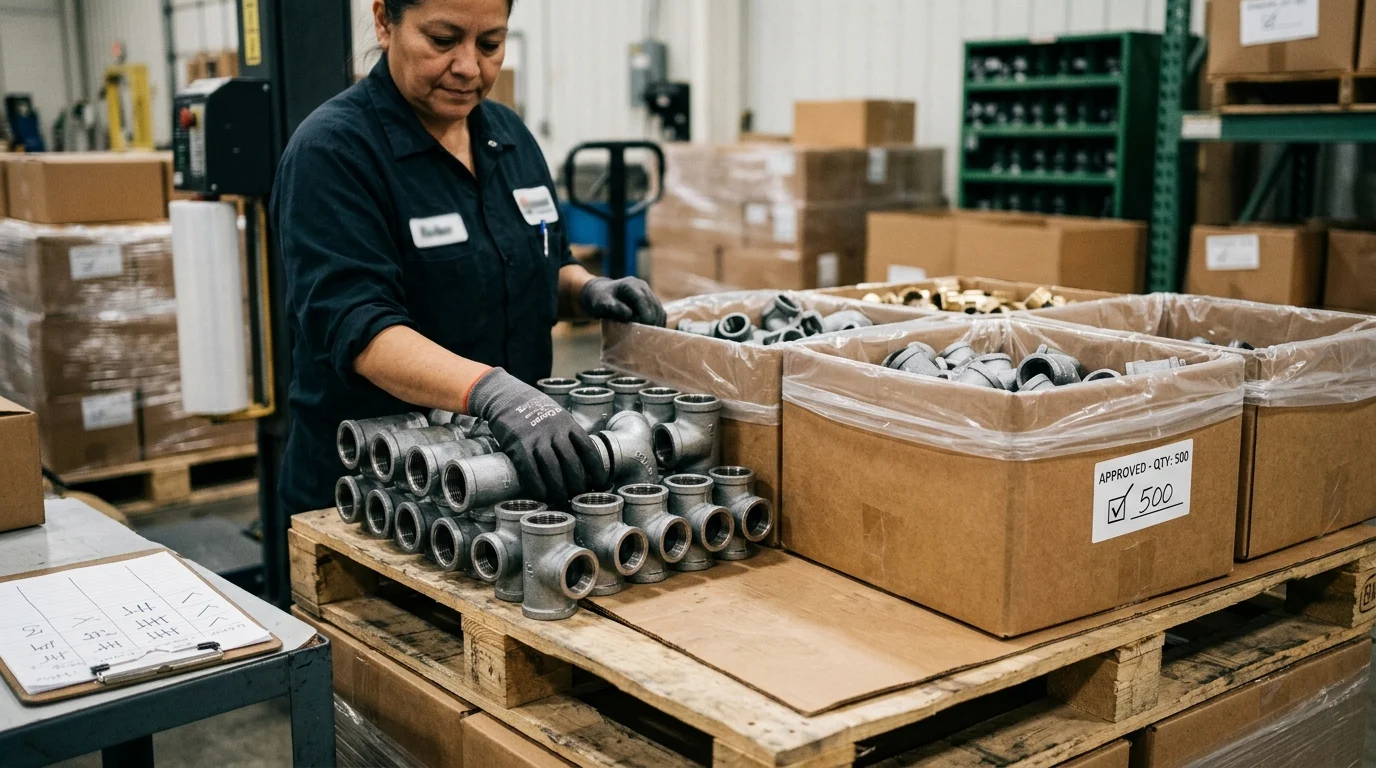
The culmination of the procurement process is the final selection and approval phase. This stage acts as the ultimate quality gate, ensuring that the chosen threaded pipe fittings meet all project specifications, budget constraints, and delivery schedules before a purchase order is formally issued.
Specification checklist for final approval
To prevent costly procurement errors, buyers must utilize a comprehensive specification checklist during the final review. This checklist should mandate 100% compliance with the required ASME or ISO standards, verifying the exact thread type, material grade, and pressure class. Reviewers must confirm that the vendor has provided adequate documentation, including MTRs and hydro-testing certificates where applicable. Additionally, the checklist should validate that the physical dimensions and tolerances align with the piping schedule of the broader system. Skipping this rigorous verification can result in receiving incompatible components, leading to severe project delays and safety hazards during commissioning.
Aligning engineering, maintenance, and purchasing
The final approval workflow requires seamless coordination between engineering, maintenance, and purchasing departments. Engineering provides the definitive technical sign-off, confirming that the fittings will handle the operational pressures and temperatures. Maintenance signs off on the standardization of parts to ensure compatibility with existing plant inventory, reducing the need to stock redundant spares. Purchasing finalizes the commercial terms, confirming that lead times align with the construction or turnaround schedule. For major capital projects, this standard 3-step approval process (Technical, Commercial, QA) typically requires 5 to 7 business days to execute properly. By enforcing this structured alignment, industrial facilities ensure they acquire highly reliable threaded pipe fittings that support long-term operational excellence.
Key Takeaways
- The most important conclusions and rationale for threaded pipe fittings
- Specs, compliance, and risk checks worth validating before you commit
- Practical next steps and caveats readers can apply immediately
Frequently Asked Questions
When are threaded pipe fittings the best choice for industrial systems?
They are best for small-bore piping, usually NPS 2 inches and below, where you want a reliable weld-free connection and easier maintenance access.
How do I choose the right material for threaded pipe fittings?
Match the material to the media and temperature: 316 stainless for corrosive service, carbon steel for non-corrosive steam or air, and brass for low-toxicity, lower-temperature systems.
Can I mix NPT and BSP threaded pipe fittings?
No. NPT and BSP have different thread forms and should never be mixed, because they can strip, gall, and create leak paths.
What pressure class should I select for threaded pipe fittings?
Choose a class that meets or exceeds system pressure and matches pipe schedule. Common options are Class 2000, 3000, and 6000 based on duty.
Why source threaded pipe fittings from a specialized manufacturer like nbfh-metal.com?
A specialized supplier can provide tighter thread tolerances, material traceability, and application-focused support, which helps reduce leaks and maintenance issues in industrial service.

Daniel Carter
Post time: Apr-28-2026