
Introduction
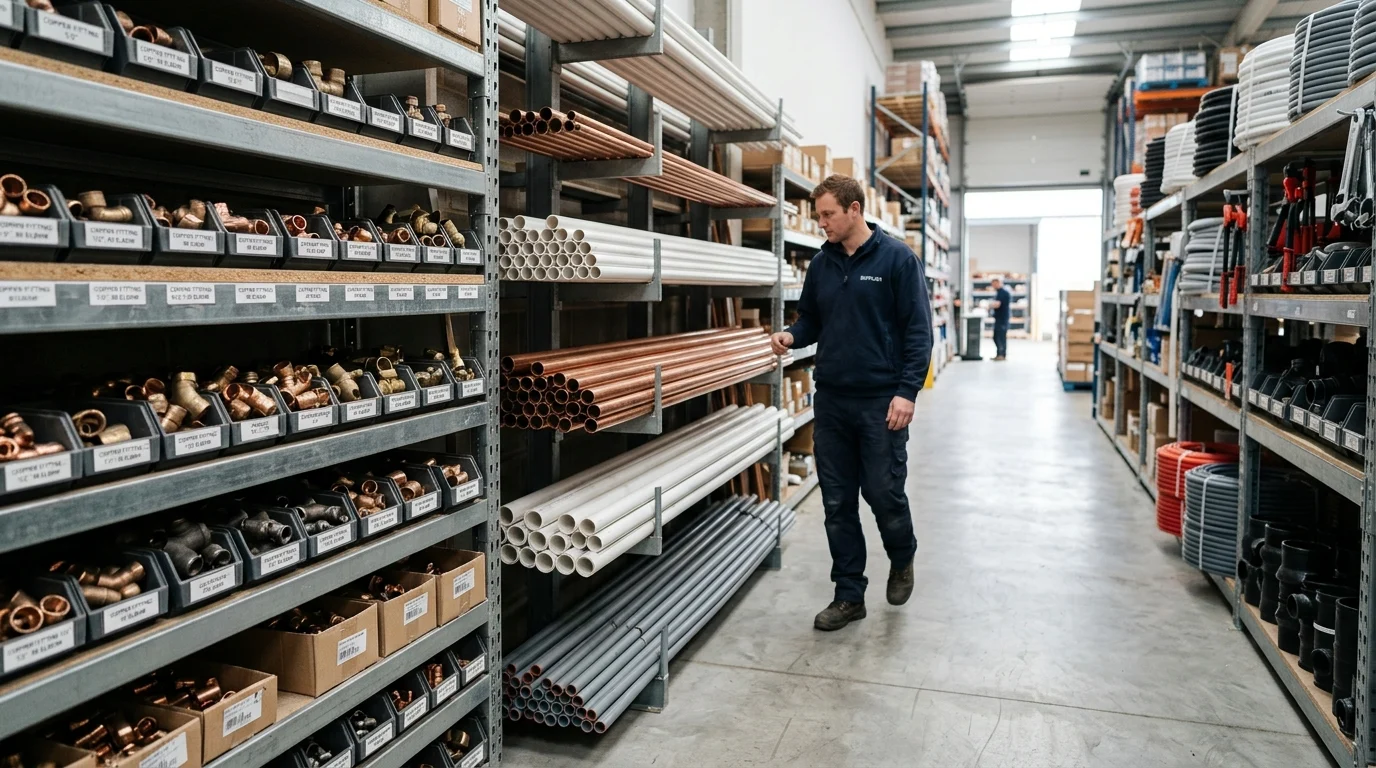
A plumbing materials supplier does more than deliver pipe, valves, and fittings—they influence product quality, installation timelines, budget control, and code compliance. Choosing the right partner means looking past price sheets to assess inventory depth, lead times, certification standards, technical support, and consistency across orders. For contractors, developers, and facility teams, a poor supplier choice can lead to delays, change orders, and inspection issues, while a strong one can reduce risk throughout the project. This article explains the key criteria to compare suppliers effectively, so you can make a practical decision that supports both immediate procurement needs and long-term project performance.
How to Evaluate a Plumbing Materials Supplier
Selecting the right plumbing materials supplier is a foundational decision for any construction or renovation project. The supply chain dictates not only the physical integrity of fluid conveyance systems but also the financial and scheduling success of the entire endeavor. Evaluating these vendors requires moving beyond simple catalog browsing to scrutinize operational reliability and technical competence.
Why Supplier Selection Affects Cost, Schedule, and Compliance
The procurement of pipes, valves, and fittings (PVF) represents a substantial portion of overall project expenditures. In typical commercial construction, mechanical, electrical, and plumbing (MEP) budgets account for 35% to 45% of total costs, with plumbing materials taking a significant share. Supplier selection directly influences these costs through pricing structures, freight charges, and logistics management.
Furthermore, project schedules are highly sensitive to material lead times. Delayed delivery of critical components can trigger daily liquidated damages ranging from $500 to $2,000, depending on the contract scale. Compliance is equally critical; utilizing a supplier that inadvertently provides non-compliant or counterfeit materials can result in failed municipal inspections, costly tear-outs, and severe legal liabilities.
How Plumbing Materials Suppliers Differ from General Suppliers
General construction material suppliers maintain broad inventories spanning multiple trades, which often dilutes their technical expertise in any single category. Conversely, dedicated plumbing materials suppliers employ specialists who understand the complex engineering behind fluid dynamics, pressure ratings, and chemical compatibility.
For example, a specialized supplier can immediately differentiate between Standard Dimension Ratio (SDR) 11 and SDR 17 polyethylene pipes, advising on the appropriate application based on operating pressures. This specialized knowledge ensures contractors receive exact specification matches rather than generic substitutions that could compromise system integrity over its lifespan.
Product Quality and Compliance Criteria

A rigorous assessment of product quality and regulatory compliance ensures the plumbing infrastructure will perform safely over its intended lifecycle. Suppliers must demonstrate an uncompromising commitment to industry standards and material traceability.
Material Categories, Specifications, and System Compatibility
Modern plumbing systems rely on a diverse array of materials, including copper, cross-linked polyethylene (PEX), polyvinyl chloride (PVC), and cast iron. Each material category carries strict dimensional tolerances; for instance, commercial-grade copper tubing must adhere to wall thickness tolerances of ±0.005 inches to ensure secure brazing and press-fitting operations.
System compatibility is another critical factor. A competent supplier ensures pipes, fittings, and joining compounds originate from compatible manufacturing lines, preventing galvanic corrosion or premature chemical degradation.
| Material Category | Primary Application | Critical Specification Standard | Typical Tolerance/Constraint |
|---|---|---|---|
| Copper (Type L/K) | Potable water, HVAC | ASTM B88 | Wall thickness ±0.005 inches |
| PEX (Cross-linked) | Residential plumbing | ASTM F876 | Min burst pressure 480 psi at 73°F |
| PVC (Schedule 40/80) | Drainage, waste, vent | ASTM D1785 | Max operating temp 140°F |
| Cast Iron | Commercial sanitary | CISPI 301 | High acoustic dampening required |
Certifications, Testing Records, Traceability, and Code Complian
ce
Regulatory compliance dictates that all potable water components meet stringent health standards, most notably NSF/ANSI 61, which limits the leaching of lead and other contaminants into drinking water. Reliable suppliers maintain comprehensive testing records and Mill Test Reports (MTRs) for their metallic products, ensuring full traceability from the foundry to the job site.
Industry best practices require suppliers to retain these traceability records for a minimum of 5 years to support post-construction audits. Furthermore, top-tier suppliers actively monitor their internal quality control metrics, striving for a defect rate of less than 0.5% across their primary product lines to eliminate job site failures.
How to Compare Product Range, Lead Times, and Availability
Evaluating a supplier’s product range involves analyzing their ability to fulfill a complete bill of materials without necessitating multiple vendors. Procurement managers must compare standard lead times against the project schedule.
While standard items like 2-inch Schedule 40 PVC might be available for next-day delivery, specialty items such as large-diameter backflow preventers or custom-fabricated stainless steel manifolds often require lead times of 4 to 6 weeks. A robust supplier maintains sufficient buffer stock to mitigate factory delays, offering transparency regarding current inventory levels and anticipated restock dates.
Service, Pricing, and Supply Chain Strength
Beyond the physical products, the operational infrastructure of a plumbing materials supplier determines their reliability as a long-term project partner. Financial flexibility and logistical efficiency are paramount to keeping construction schedules on track.
Commercial Terms, Pricing Structures, and Payment Conditions
The commercial terms offered by a supplier significantly impact a contractor’s cash flow. Standard industry payment conditions typically operate on Net 30 to Net 60 terms, allowing contractors to receive progress payments from the client before settling material invoices.
High-volume projects often necessitate negotiated pricing structures, where suppliers may offer volume rebates ranging from 2% to 5% on annual purchases exceeding $100,000. Additionally, early payment discounts, such as 2/10 Net 30, provide financial incentives that can improve overall project margins if the purchasing entity maintains high liquidity.
Inventory Depth, Warehousing, and Delivery Performance
A supplier’s warehousing capacity directly correlates with their ability to execute on-time deliveries. Evaluating inventory depth requires looking at the supplier’s order fill rate, which should consistently exceed 98% for standard stock items.
Suppliers with sophisticated warehouse management systems (WMS) can optimize routing and staging, ensuring materials arrive at the job site exactly when installation crews need them. Delivery performance is further measured by the frequency of backorders and the accuracy of shipment manifests—metrics that directly influence labor efficiency by minimizing downtime.
Local vs National vs Specialized Supplier Comparison
Procurement teams must weigh the advantages of local, national, and specialized suppliers based on the specific demands of the project.
| Supplier Tier | Optimal Use Case | Standard Minimum Order Quantity (MOQ) | Primary Advantage |
|---|---|---|---|
| Local / Independent | Small to medium regional projects | $500 – $1,000 | Highly responsive, same-day delivery potential |
| National Distributor | Large-scale commercial/industrial | $5,000+ | Deep inventory, consistent pricing across regions |
| Specialized Fabricator | Complex, highly engineered systems | Project-specific | Deep technical expertise, custom fabrication |
National distributors leverage economies of scale to offer competitive pricing on bulk orders, whereas local suppliers excel in agility and personalized service for immediate, unforeseen job site needs.
Supplier Due Diligence and Evaluation Process
Establishing a formalized due diligence protocol prevents costly procurement errors. A systematic evaluation separates adequate vendors from exceptional supply chain partners, ensuring project risks are minimized before purchase orders are issued.
How to Prequalify Suppliers Using References and Project History
Prequalifying a plumbing materials supplier requires a thorough investigation into their historical performance. Procurement officers should request references from projects of similar scale and complexity completed within the past 3 to 5 years.
Investigating financial stability is equally vital; utilizing third-party financial ratings, such as Dun & Bradstreet reports, helps verify that the supplier possesses the capital liquidity to sustain operations and float credit terms throughout the project duration. Checking litigation history for frequent contract disputes or product liability claims provides an additional layer of risk mitigation.
Step-by-Step Supplier Scoring and Evaluation Process
Implementing a weighted scoring matrix standardizes the evaluation process and removes subjective bias from procurement decisions. A highly effective scoring model allocates specific percentages to critical performance indicators.
A standard matrix might assign 40% for pricing competitiveness, 30% for delivery reliability and inventory depth, 20% for quality assurance and compliance, and 10% for technical support and customer service. Each supplier is scored out of 100 possible points, with procurement policies typically requiring a minimum passing threshold of 80 points for inclusion on an approved vendor list. This step-by-step quantification ensures all proposals are analyzed through a consistent, objective lens.
Choosing the Right Supplier for Your Project

The culmination of the evaluation process is the strategic alignment of the chosen supplier with the exact parameters of the construction or maintenance project. Careful matching guarantees both operational synergy and financial efficiency.
How to Match Supplier Choice to Project Type and
Procurement Needs
Supplier selection must be tailored to the specific typologies of the project. A high-rise commercial development requires a supplier capable of staging massive, phased deliveries of cast iron and heavy-duty copper over an 18-month timeline. Conversely, a sprawling residential subdivision demands a supplier who can provide continuous, high-volume shipments of PEX tubing and standardized fixtures with minimal lead time.
Matching procurement needs also involves assessing digital capabilities. Projects utilizing Building Information Modeling (BIM) benefit greatly from suppliers who can provide downloadable 3D product models and integrate directly with procurement software via Electronic Data Interchange (EDI), streamlining the ordering process and reducing administrative overhead.
How to Balance Lowest Price Against Overall Value
The most common pitfall in procurement is selecting a plumbing materials supplier based solely on the lowest initial quote. True value is determined by calculating the Total Cost of Ownership (TCO), which factors in logistics, defect rates, and operational support.
A supplier offering a 5% reduction in unit pricing may ultimately cost the project more if delivery delays cause idle labor or if materials fail under pressure testing. For example, a 10% increase in labor costs due to out-of-tolerance fittings or missing components will rapidly consume any upfront material savings. By balancing competitive pricing with proven reliability, comprehensive warranties, and robust technical support, project managers ensure a resilient supply chain that safeguards both profitability and long-term structural integrity.
Key Takeaways
- The most important conclusions and rationale for plumbing materials supplier
- Specs, compliance, and risk checks worth validating before you commit
- Practical next steps and caveats readers can apply immediately
Frequently Asked Questions
What should I check first when choosing a plumbing materials supplier?
Start with compliance and product fit. Confirm the supplier provides certified pipes, valves, and fittings, clear specifications, and documentation such as test records or material traceability for your project requirements.
Why choose a specialized plumbing materials supplier instead of a general supplier?
A specialized supplier understands pressure ratings, material compatibility, fitting standards, and code requirements, helping you avoid wrong substitutions, installation delays, and system performance issues.
Which certifications matter for plumbing materials?
For potable water systems, look for NSF/ANSI 61 compliance. Depending on the material, also confirm relevant ASTM, CISPI, or other project-specified standards before purchasing.
How can I reduce lead time risks for plumbing materials?
Ask for current inventory, standard and specialty item lead times, restock dates, and delivery options. Order long-lead products early, especially custom fittings, manifolds, or large backflow preventers.
What plumbing products can I review from NBFH Metal?
You can review plumbing-related products such as press fittings and other fitting solutions on nbfh-metal.com, then compare specifications, compatibility, and availability with your project needs.

Daniel Carter
Post time: Apr-24-2026