
Introduction
Choosing between PVC and metal fittings affects more than installation cost. It shapes how a plumbing system handles pressure, temperature changes, corrosion, maintenance, and long-term reliability. PVC fittings are often favored for affordability, chemical resistance, and easy installation, while metal fittings can offer greater strength, heat tolerance, and durability in demanding conditions. The better option depends on where the system is used, what fluids it carries, and how long it needs to perform without failure. This article compares plumbing PVC fittings with common metal alternatives so you can understand the trade-offs and identify the right material for residential, commercial, or industrial applications.
Why Material Choice Matters in Plumbing Fittings
Selecting the correct material for plumbing networks goes far beyond simple component matching; it dictates the structural integrity, safety, and operational efficiency of the entire system. Fittings serve as the critical junctions in any fluid transport setup, bearing the brunt of mechanical stress, pressure fluctuations, and thermal expansion. Consequently, specifying the right fitting material is a foundational engineering decision.
System performance and service life
The performance and expected service life of a plumbing system rely heavily on the resilience of its connections. A poorly specified fitting can lead to catastrophic leaks, pressure drops, and premature system failure. While synthetic materials offer baseline functionality for many standard applications, high-grade metal fittings frequently demonstrate a service life exceeding 50 years under demanding conditions. Metals resist degradation from environmental stressors that typically compromise lesser materials, ensuring the system’s junctions remain as robust as the primary piping over decades of continuous use.
Operating conditions that drive selection
Operating conditions serve as the primary drivers for material selection. Engineers must evaluate maximum operating pressures, temperature extremes, and the chemical composition of the transported fluid. For instance, standard plumbing PVC fittings are strictly limited to a maximum operating temperature of 140°F (60°C). Exceeding this threshold causes the polymer to soften, drastically reducing its pressure-handling capabilities. Conversely, metal alternatives excel in volatile operating conditions, maintaining structural rigidity and pressure ratings even when exposed to severe thermal cycling or external mechanical impacts.
Plumbing PVC and Metal Fittings Overview
The market for plumbing components is broadly divided into synthetic polymers and metallic alloys. Understanding the specific grades, ratings, and structural capabilities of each category is essential for procurement professionals and system designers.
Common PVC fitting types and ratings
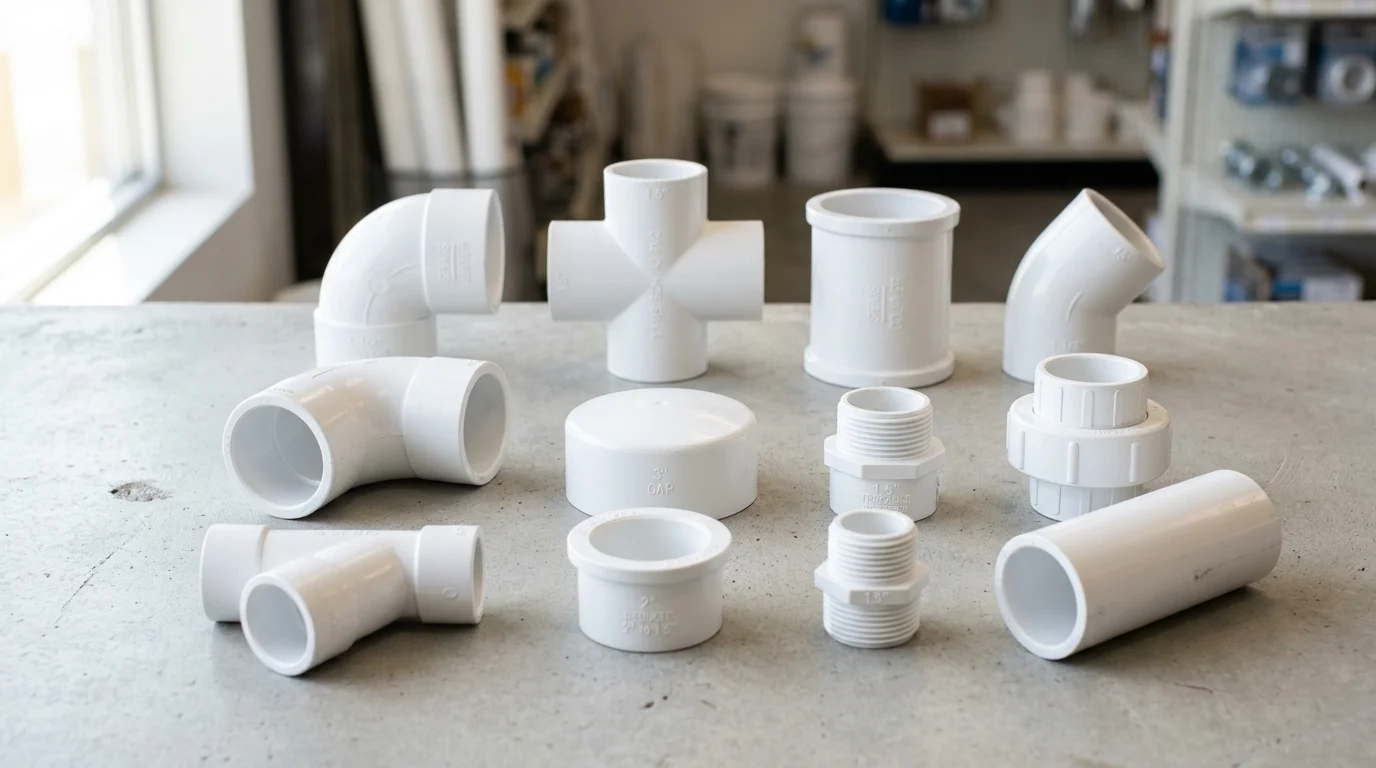
Plumbing PVC (polyvinyl chloride) fittings are ubiquitous in residential and light commercial applications. They are typically categorized by wall thickness into Schedule 40 (white, standard wall) and Schedule 80 (gray, heavy wall). Schedule 80 PVC fittings offer higher pressure capabilities; for example, a 1-inch Schedule 80 PVC fitting can handle up to 450 psi at 73°F (23°C). However, this pressure rating drops precipitously as temperatures rise. PVC is favored for its chemical resistance, particularly against corrosive soil conditions and acidic fluids, making it a staple in cold-water distribution, irrigation, and drainage systems.
Common metal fitting types and uses
Metal fittings encompass a diverse range of alloys, including brass, copper, stainless steel, and galvanized iron. Copper and brass are the traditional standards for potable water and hydronic heating, offering excellent thermal conductivity and natural antimicrobial properties. Stainless steel (such as 304 and 316 grades) is utilized in industrial environments where extreme pressure and aggressive sanitation protocols are the norm. Metal fittings inherently provide superior mechanical strength, immunity to ultraviolet (UV) degradation, and the ability to withstand internal pressures exceeding 1,000 psi in certain industrial configurations.
| Material Category | Common Types | Typical Max Temperature | Primary Advantage |
|---|---|---|---|
| PVC | Schedule 40, Schedule 80 | 140°F (60°C) | Low material cost, corrosion resistant |
| Copper / Brass | Sweat, Threaded, Push-to-connect | 200°F+ (93°C+) | Excellent high-temp performance, rigid |
| Stainless Steel | 304, 316 Threaded / Welded | 400°F+ (204°C+) | Extreme pressure handling, durable |
| Galvanized Iron | Threaded Malleable Iron | 300°F (149°C) | High mechanical impact resistance |
PVC vs Metal Fittings: Key Differences
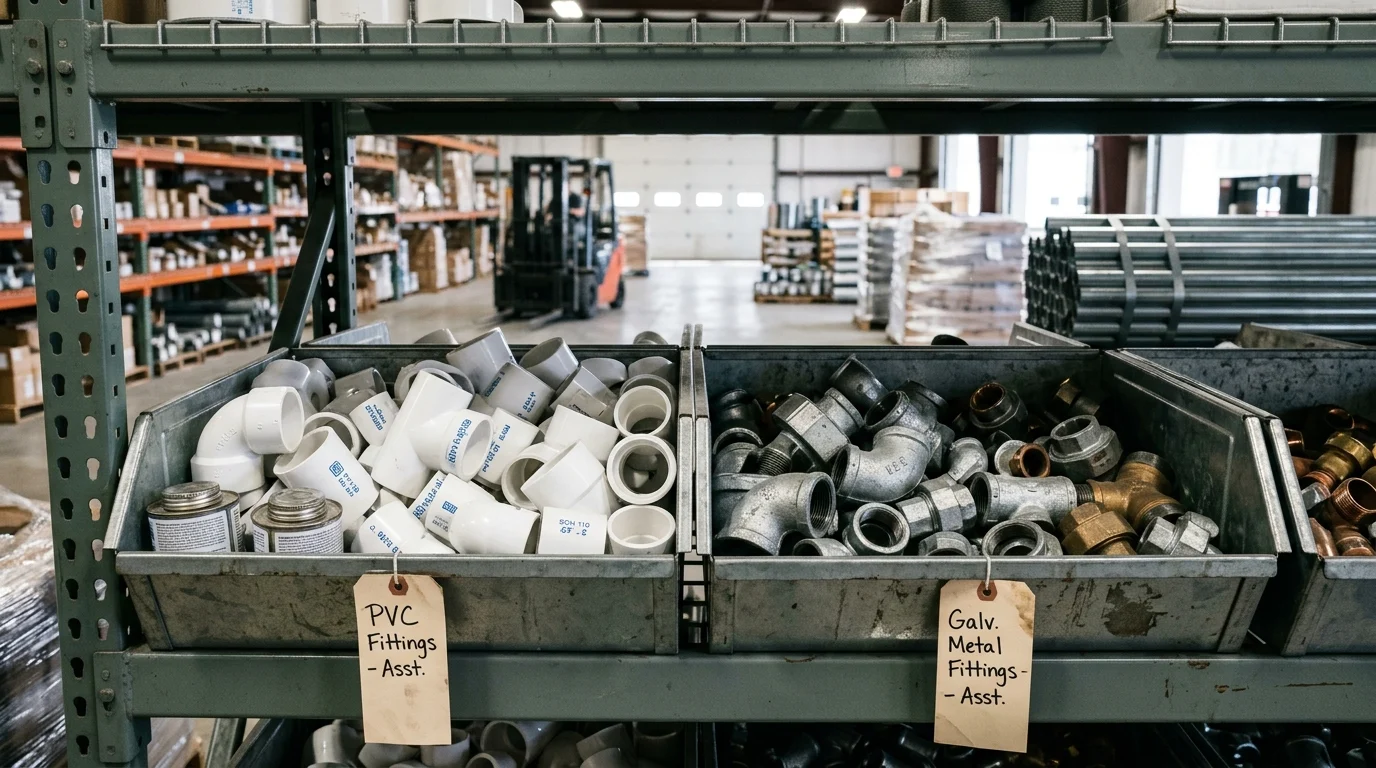
While both PVC and metal fittings serve the fundamental purpose of joining pipes, their physical properties and behavioral characteristics under stress differ significantly. Evaluating these differences highlights why metal remains the superior choice for demanding applications.
Pressure, temperature, and corrosion resistance
The starkest contrast between the two materials lies in their response to temperature and pressure. As previously noted, PVC is restricted to cold or ambient temperature applications due to its 140°F limit. In contrast, metal fittings easily manage hot water distribution, steam lines, and industrial thermal processes. Furthermore, PVC possesses a high coefficient of thermal expansion—expanding and contracting significantly with temperature changes—which can cause stress fractures at the joints if not properly mitigated. Metal fittings offer superior dimensional stability. While PVC is naturally immune to rust and galvanic corrosion, modern metal fittings utilize advanced alloys (like dezincification-resistant brass or 316 stainless steel) to provide exceptional corrosion resistance alongside unmatched structural strength.
Installation, cost, and maintenance
Installation methods heavily influence initial labor costs. PVC relies on solvent cementing, which is relatively fast and requires minimal specialized tooling, leading to initial material and labor costs that can be 30% to 50% lower than metal assemblies. Metal fittings require soldering, threading, or mechanical pressing. While this demands a higher initial labor investment and skilled tradesmanship, the long-term maintenance costs of metal systems are frequently lower. Metal joints are less susceptible to cracking from water hammer, external physical impacts, or overtightening during maintenance, reducing the frequency of emergency repairs and system downtime.
Best use cases for each material
PVC is best suited for low-pressure, low-temperature scenarios such as residential sanitary drainage, venting, cold-water mains, and agricultural irrigation. However, metal fittings are the definitive choice for high-stakes environments. Commercial HVAC systems, pressurized hot water networks, fire suppression systems, and exposed outdoor piping (where UV rays would degrade PVC) demand the robust nature of metal. In these scenarios, the structural integrity of metallic components provides a critical safety margin that plastics simply cannot match.
| Feature | Plumbing PVC Fittings | Metal Fittings (Brass/Steel) | Advantage Winner |
|---|---|---|---|
| Tensile Strength | Moderate (yields under impact) | Extremely High (resists fracturing) | Metal |
| Thermal Stability | Low (high expansion rate) | High (minimal expansion) | Metal |
| UV Resistance | Poor (requires painting/shielding) | Excellent (unaffected by sunlight) | Metal |
| Initial Cost | Low | Moderate to High | PVC |
Specification and Compliance Considerations
Procuring plumbing fittings requires strict adherence to international building codes and industry standards. Failing to specify compliant materials can result in failed inspections, costly tear-outs, and significant liability.
Codes, standards, and media compatibility
Regulatory frameworks dictate where and how specific materials can be used. Plumbing PVC fittings must typically comply with standards such as ASTM D2466 (for Schedule 40) or ASTM D2467 (for Schedule 80). When specifying metal fittings for potable water systems, compliance with the Safe Drinking Water Act is mandatory. This requires adherence to NSF/ANSI 61 and NSF/ANSI 372, which mandate a weighted average lead content of less than 0.25% across the wetted surfaces. Metal fittings crafted from lead-free brass or stainless steel easily meet these stringent health and safety requirements while maintaining compatibility with highly pressurized media.
Practical evaluation steps for buyers
Commercial buyers must evaluate prospective suppliers based on manufacturing tolerances and quality assurance protocols. When sourcing metal fittings, buyers should request mill test reports (MTRs) to verify alloy composition and structural integrity. Practical evaluation also involves assessing supply chain logistics; for instance, custom-machined metal fittings may carry Minimum Order Quantities (MOQs) ranging from 500 to 1,000 units depending on the complexity of the thread or press profile. Buyers should aim to partner with manufacturers demonstrating a defect rate of less than 1%, ensuring that every batch meets exact dimensional tolerances to prevent leaks upon installation.
How to Choose the Better Option
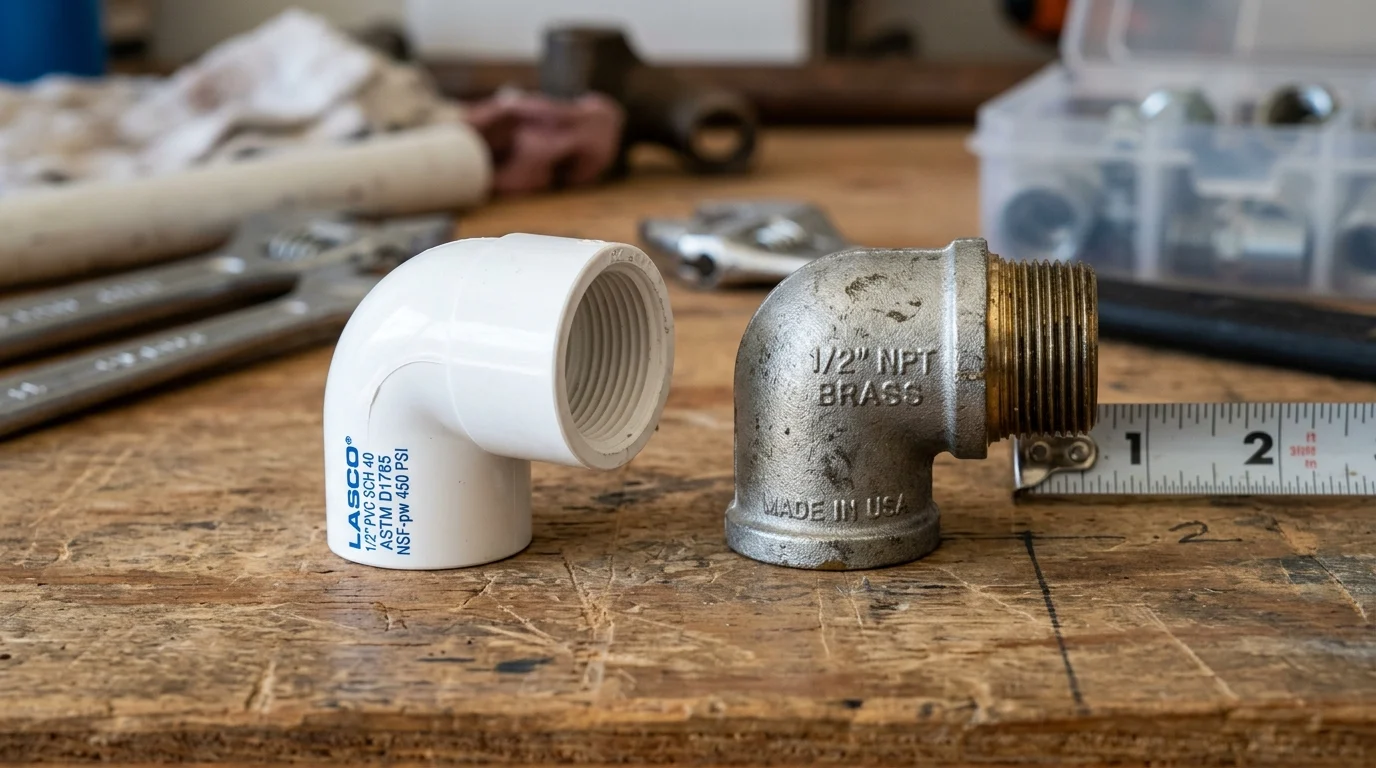
Determining whether to specify plumbing PVC fittings or metal alternatives requires a holistic view of the project. While budget constraints often push buyers toward synthetic options, a rigorous engineering analysis frequently justifies the investment in metal.
Matching fitting material to application
Matching the fitting to the application requires balancing immediate needs against long-term operational realities. If the application involves handling corrosive chemicals at ambient temperatures in an underground setting, PVC remains highly effective. However, if the system will be subjected to fluctuating temperatures, high operational pressures, physical exposure, or mechanical vibration, metal fittings are overwhelmingly the better option. The inherent rigidity of metal prevents the micro-fractures and thread stripping that frequently plague plastic fittings in dynamic commercial environments.
Final selection guidance
Ultimately, the decision should be guided by the Total Cost of Ownership (TCO) calculated over a 20- to 50-year lifecycle. While plumbing PVC fittings offer an attractive upfront price point, the superior durability, safety margins, and thermal versatility of metal fittings dramatically reduce the risk of catastrophic failure and subsequent water damage. For any critical infrastructure, commercial building, or high-pressure industrial application, investing in premium metal fittings provides unmatched reliability and peace of mind, proving them to be the superior choice for enduring plumbing performance.
Key Takeaways
- The most important conclusions and rationale for plumbing pvc fittings
- Specs, compliance, and risk checks worth validating before you commit
- Practical next steps and caveats readers can apply immediately
Frequently Asked Questions
When are plumbing PVC fittings a better choice?
Use PVC for cold-water lines, irrigation, drainage, and mildly corrosive fluids where temperatures stay below 140°F and budgets are tight.
When should I choose metal fittings over PVC?
Choose metal for hot water, high pressure, UV exposure, mechanical impact, or long service life. It performs better in demanding commercial and industrial systems.
How does temperature affect PVC fitting performance?
PVC loses pressure capacity as temperature rises and should not exceed 140°F. For hotter systems, brass, copper, or stainless steel are safer options.
Which metal fitting material is best for potable water or harsh environments?
Brass and copper are common for potable water. Stainless steel, especially 316, is better for aggressive chemicals, sanitation-heavy sites, and higher pressures.
Where can I source durable metal plumbing fittings for demanding projects?
NBFH Metal supplies press fittings and other metal fitting products suited for commercial and industrial plumbing systems. Check nbfh-metal.com for available options.

Daniel Carter
Post time: Apr-29-2026