

Wholesale Manufacturers of Pipe Line Gas Connection Fittings
As someone who knows the industry, I can confidently say that our Pipe Line Gas Connection Fittings are top-notch. Designed for durability and efficiency, these fittings are essential for anyone in the gas pipeline business. If you’re sourcing from manufacturers that prioritize quality and reliability, you’ll find our wholesale offerings hard to beat. Each fitting undergoes rigorous quality checks to ensure they meet high safety standards, making them perfect for both residential and commercial applications. What sets us apart is our commitment to providing exceptional customer service alongside premium products. Whether you’re a small contractor or a large scale distributor, we cater to your unique needs. Team up with us and experience seamless transactions and timely deliveries. We understand the importance of keeping your projects on track, and our reliable supply chain makes that possible. Trust me, you won’t be disappointed with our Pipe Line Gas Connection Fittings!


Pipe Line Gas Connection Fittings Now Trending Leads the Global Market
In recent years, the demand for pipeline gas connection fittings has surged, establishing them as a critical component in various industries worldwide. The trend reflects an increasing emphasis on safe, efficient, and reliable gas distribution systems, essential for both residential and industrial applications. As countries look to transition towards cleaner energy solutions, the importance of high-quality connection fittings cannot be overstated. These components are not only pivotal for ensuring seamless gas flow but also play a significant role in safety and durability, addressing the growing concern over energy efficiency and environmental impact. As global procurement professionals seek reliable solutions, it is vital to consider the wide array of available options that meet international standards. The current market showcases numerous innovations, including advanced materials and designs aimed at enhancing performance and longevity. This trend not only drives competition among manufacturers but also provides buyers with diverse choices suited to specific project requirements. Whether for new constructions or retrofitting existing systems, the right fittings can significantly affect operational efficiency and safety. Furthermore, the shift towards a more sustainable energy landscape encourages manufacturers to adopt eco-friendly practices, aligning production methods with the increasing global commitment to sustainability. For procurement specialists, this presents an opportunity to partner with companies that prioritize quality, compliance, and environmental stewardship. By investing in the right pipeline gas connection fittings, businesses can not only ensure the integrity of their gas distribution systems but also contribute positively to a greener future.
Pipe Line Gas Connection Fittings Now Trending Leads the Global Market
| Region | Market Share (%) | Growth Rate (%) | Key Trends | Drivers |
|---|---|---|---|---|
| North America | 30% | 5.2% | Increase in natural gas consumption | Infrastructure investment |
| Europe | 25% | 4.8% | Adoption of green technologies | Government regulations |
| Asia Pacific | 35% | 6.1% | Rapid industrialization | Rising energy demand |
| Latin America | 5% | 3.5% | Emerging markets | Investment in infrastructure |
| Middle East & Africa | 5% | 4.0% | Oil and gas exploration | Expanding gas pipeline networks |
Related Products

Quick and Easy Fittings, also known as push-to-connect fittings, quick disconnects, or snap fittings, simplify connections in fluid and gas systems. These fittings eliminate the need for tools, saving time and effort. The global market for these fittings reached $2.5 billion in 2023 and is expected to grow to $3.8 billion by 2032, reflecting their widespread use. Additionally, our fittings feature a one-piece forging construction that is pressure-re, ensuring durability and reliability in various applications.
Key Takeaways
- Quick connect fittings, or push-to-connect fittings, make connections easier.
- They are simple to use and need no tools to install. This helps many users and cuts down time in industries.
- These fittings have self-sealing valves that stop leaks. They are safe and work well in areas like cars, healthcare, and building.
What Are Quick and Easy Fittings?
Definition of quick connect fittings
When I think about Quick and Easy Fittings, I picture components that revolutionize how we connect fluid or gas lines. These fittings, often referred to as quick connect fittings, are designed to simplify the process of joining and disconnecting systems. Unlike traditional fittings, they feature a two-piece design with self-sealing valves. This design ensures that fluids or gases remain contained during disconnection, preventing leaks and maintaining system integrity.
Here’s what sets them apart:
- They are commonly used in high-pressure applications.
- They often combine compression and NPT (National Pipe Thread) connections.
- Their self-sealing capabilities make them more advanced than traditional fittings, which lack this feature.
This technical sophistication makes quick connect fittings indispensable in modern systems where efficiency and reliability are paramount.
Primary purpose and benefits of using quick connect fittings
The primary purpose of Quick and Easy Fittings is to streamline the connection process. I’ve seen firsthand how these fittings eliminate the need for tools, reducing installation time and effort. They allow users to connect and disconnect lines quickly, which is especially valuable in industries where downtime can be costly.
Here are some key benefits:
- Time-saving: Quick connect fittings significantly reduce installation time compared to traditional fittings.
- Ease of use: They require minimal skill, making them accessible to a wide range of users.
- Leak prevention: Their self-sealing valves ensure a secure connection, minimizing the risk of leaks.
- Versatility: These fittings are compatible with various systems, including pneumatic, hydraulic, and water systems.
For example, in industrial settings, I’ve observed how these fittings simplify maintenance tasks. Workers can quickly replace or repair components without disrupting the entire system. This efficiency translates to cost savings and improved productivity.
Common industries and applications where they are used
Quick and Easy Fittings have found their way into numerous industries due to their versatility and reliability. I’ve noticed their widespread use in sectors ranging from manufacturing to healthcare. Here’s a breakdown of some common applications:
| Industry | Application Example |
|---|---|
| Automotive | Used in fuel lines, brake systems, and air conditioning systems. |
| Healthcare | Essential for medical gas delivery systems and fluid transfer in diagnostic devices. |
| Food and Beverage | Ensure sanitary connections in beverage dispensers and food processing equipment. |
| Construction | Integral to hydraulic systems in heavy machinery and tools. |
| Aerospace | Used in high-pressure hydraulic systems and fuel transfer lines. |
In my experience, these fittings are particularly valuable in industries where safety and efficiency are critical. For instance, in the food and beverage sector, they help maintain sanitary conditions by preventing contamination. Similarly, in aerospace, their ability to handle high-pressure systems ensures reliable performance under demanding conditions.
Types of Quick Connect Fittings
Push-to-connect fittings
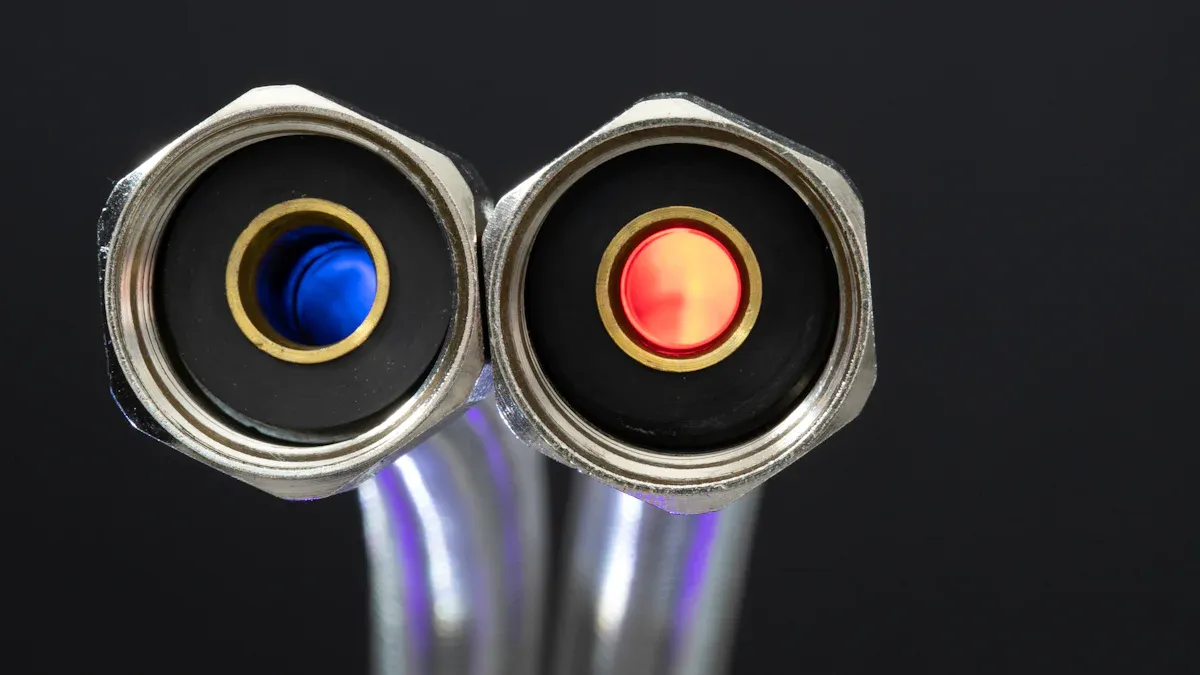
Push-to-connect fittings are among the most user-friendly options in the world of Quick and Easy Fittings. These fittings operate by simply pushing one end into the other, creating a secure and leak-proof connection. To disconnect, you retract the collar, which releases the connection effortlessly. This simplicity makes them ideal for applications requiring frequent assembly and disassembly.
| Type | Description |
|---|---|
| Push to connect | Functions by pushing one end into the other; requires collar retraction to disconnect. |
I’ve seen these fittings used extensively in pneumatic systems, where speed and reliability are critical. Their design minimizes downtime during maintenance, ensuring smooth operations in industries like manufacturing and automotive.
Quick disconnect couplings
Quick disconnect couplings are engineered for efficiency and durability. These fittings allow users to connect and disconnect fluid or gas lines with minimal effort, often using a thumb latch for ergonomic operation. They are available in various materials, including acetal, polycarbonate, and polysulfone, each offering unique advantages.
| Property | Description |
|---|---|
| Material | Acetal, Polycarbonate, Polysulfone |
| Corrosion Resistance | Ideal for use with corrosive fluids |
| Compliance | Meets USP Class VI requirements |
| Design | Ergonomic with thumb latch for easy operation |
In my experience, these couplings are particularly valuable in medical and laboratory settings. Their corrosion resistance and compliance with stringent standards make them a reliable choice for handling sensitive fluids.
Snap fittings
Snap fittings, as the name suggests, "snap" into place, providing a quick and secure connection. These fittings are often used in low-pressure applications where ease of use is a priority. I’ve noticed their popularity in beverage dispensing systems, where they ensure sanitary and efficient connections. Their straightforward design makes them a go-to option for industries prioritizing speed and simplicity.
Material-based types (e.g., plastic, metal, brass)
The material of a fitting significantly impacts its performance and suitability for specific applications. Plastic, metal, and brass are the most common materials used for Quick and Easy Fittings. Each material offers distinct advantages:
- Brass fittings excel in applications requiring strength and durability. They allow for larger flow passages, reducing flow restrictions.
- Plastic fittings, such as PEX, are lightweight and cost-effective. However, they may have thicker walls, which can slightly reduce flow due to a smaller internal diameter.
- Metal fittings, including stainless steel, provide excellent resistance to high pressures and temperatures, making them ideal for demanding environments.
I’ve observed that the choice of material often depends on the specific needs of the application. For instance, brass fittings are preferred in hydraulic systems, while plastic fittings are commonly used in residential plumbing due to their affordability and ease of installation.
Application-specific types (e.g., pneumatic, hydraulic, water systems)
Quick and Easy Fittings are tailored to meet the demands of various applications. Pneumatic fittings, for example, are designed to handle compressed air systems, ensuring leak-free performance under high pressure. Hydraulic fittings, on the other hand, are built to withstand the extreme pressures of fluid power systems.
Water system fittings prioritize corrosion resistance and sanitary design. I’ve seen these fittings used in irrigation systems, where their durability and ease of connection simplify installation and maintenance. By selecting the right type of fitting for the application, users can enhance system performance and reliability.
How Do Quick Connect Fittings Work?
The mechanism behind quick connect fittings
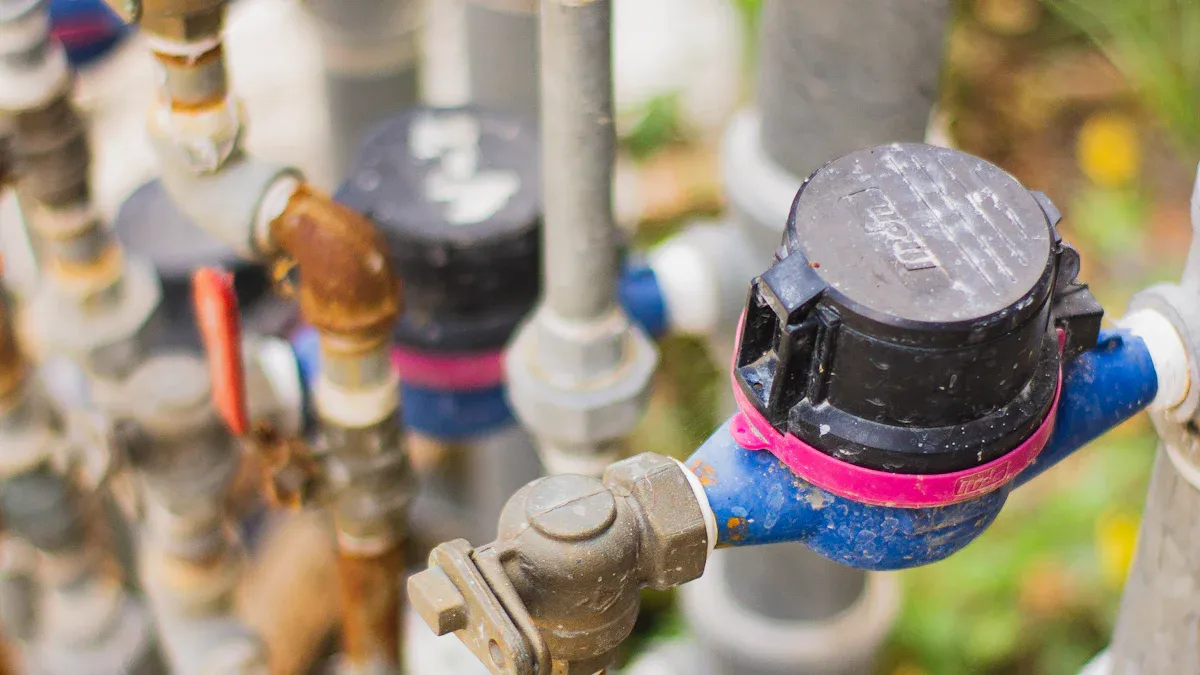
Quick connect fittings operate through a combination of precision-engineered components that ensure secure and efficient connections. I’ve worked with these fittings extensively and noticed how their design simplifies fluid and gas transfer. Each fitting consists of several key parts, each playing a vital role in its functionality:
| Component/Mechanism | Description |
|---|---|
| Body | Main structure housing internal components, designed for durability and high-pressure resistance. |
| Valve Mechanism | Controls fluid/gas flow; types include ball, poppet, and flat-face valves for various applications. |
| O-Rings and Seals | Ensure leak-proof connections, made from materials like rubber or silicone for various conditions. |
| Locking Mechanism | Secures connection; types include ball-lock, pin-lock, and latch-lock for stability. |
| Connection Interface | Point of engagement; types include push-to-connect, threaded, and bayonet for different applications. |
| Initial Connection Phase | Aligning male and female components for proper sealing and engagement. |
| Locking Mechanism Engagement | Secures connection with audible confirmation; varies by mechanism type. |
| Fluid or Gas Flow Initiation | Valve opens upon full engagement, allowing fluid/gas transfer without leaks. |
| Disconnection Process | Quick and straightforward; involves releasing the locking mechanism and ensuring valve closure. |
This structured mechanism ensures that the fittings perform reliably, even under demanding conditions.
Key features that make them efficient
The efficiency of quick connect fittings lies in their innovative design. I’ve observed that two features stand out: seals and locking mechanisms. High-quality O-rings and seals prevent leaks, even in high-pressure systems. These components, often made from durable materials like rubber or silicone, maintain their integrity over time.
Locking mechanisms, such as ball-lock or latch-lock systems, provide stability and security. They engage with an audible click, giving users confidence in the connection. However, frequent use can wear down these components. Signs of wear include unexpected disconnections or visible damage, which can compromise efficiency. Regular inspection ensures optimal performance.
Advantages of using quick connect fittings over traditional fittings
Quick connect fittings offer several advantages over traditional fittings. I’ve seen how they save time and reduce labor costs by eliminating the need for tools. Their self-sealing valves prevent leaks during disconnection, enhancing safety and minimizing waste.
- Durability: These fittings withstand repeated use without significant wear.
- Ease of Use: Their intuitive design makes them accessible to users of all skill levels.
- Versatility: They adapt to various systems, including pneumatic, hydraulic, and water applications.
In my experience, these fittings outperform traditional options in both efficiency and reliability, making them indispensable in modern industries.
Quick connect fittings simplify fluid and gas line connections across industries. Their versatility and ergonomic design enhance safety and efficiency. I’ve seen their adoption grow due to automation and sustainability trends.
| Evidence Type | Description |
|---|---|
| Market Growth | Technological advancements drive demand for pneumatic quick disconnect fittings. |
| Industry Applications | Manufacturing, automotive, and construction sectors widely use these fittings. |
| Focus on Safety | Ergonomic designs improve safety in industrial operations. |
| Energy Efficiency | Sustainability efforts boost market demand for energy-efficient fittings. |
Ningbo Fenghua Metal Products Co., Ltd. offers high-quality fittings tailored to diverse needs.
FAQ
What are the most common materials used for quick connect fittings?
I’ve noticed that brass, stainless steel, and plastic are the most common materials. Each offers unique benefits, such as durability, corrosion resistance, or cost-effectiveness.
Can quick connect fittings handle high-pressure systems?
Yes, they can. I’ve worked with fittings designed for high-pressure applications, especially in hydraulic and pneumatic systems, ensuring reliable performance under demanding conditions.
How do I choose the right quick connect fitting for my application?
I recommend considering factors like material, pressure rating, and compatibility with your system. Matching these to your application ensures optimal performance and safety.
">Quick and Easy Fittings, also known as push-to-connect fittings, quick disconnects, or snap fittings, simplify connections in fluid and gas systems. These fittings eliminate the need for tools, saving time and effort. The global market for these fittings reached $2.5 billion in 2023 and is expected to grow to $3.8 billion by 2032, reflecting their widespread use. Additionally, our fittings feature a one-piece forging construction that is pressure-re, ensuring durability and reliability in various applications.
Key Takeaways
- Quick connect fittings, or push-to-connect fittings, make connections easier.
- They are simple to use and need no tools to install. This helps many users and cuts down time in industries.
- These fittings have self-sealing valves that stop leaks. They are safe and work well in areas like cars, healthcare, and building.
What Are Quick and Easy Fittings?
Definition of quick connect fittings
When I think about Quick and Easy Fittings, I picture components that revolutionize how we connect fluid or gas lines. These fittings, often referred to as quick connect fittings, are designed to simplify the process of joining and disconnecting systems. Unlike traditional fittings, they feature a two-piece design with self-sealing valves. This design ensures that fluids or gases remain contained during disconnection, preventing leaks and maintaining system integrity.
Here’s what sets them apart:
- They are commonly used in high-pressure applications.
- They often combine compression and NPT (National Pipe Thread) connections.
- Their self-sealing capabilities make them more advanced than traditional fittings, which lack this feature.
This technical sophistication makes quick connect fittings indispensable in modern systems where efficiency and reliability are paramount.
Primary purpose and benefits of using quick connect fittings
The primary purpose of Quick and Easy Fittings is to streamline the connection process. I’ve seen firsthand how these fittings eliminate the need for tools, reducing installation time and effort. They allow users to connect and disconnect lines quickly, which is especially valuable in industries where downtime can be costly.
Here are some key benefits:
- Time-saving: Quick connect fittings significantly reduce installation time compared to traditional fittings.
- Ease of use: They require minimal skill, making them accessible to a wide range of users.
- Leak prevention: Their self-sealing valves ensure a secure connection, minimizing the risk of leaks.
- Versatility: These fittings are compatible with various systems, including pneumatic, hydraulic, and water systems.
For example, in industrial settings, I’ve observed how these fittings simplify maintenance tasks. Workers can quickly replace or repair components without disrupting the entire system. This efficiency translates to cost savings and improved productivity.
Common industries and applications where they are used
Quick and Easy Fittings have found their way into numerous industries due to their versatility and reliability. I’ve noticed their widespread use in sectors ranging from manufacturing to healthcare. Here’s a breakdown of some common applications:
| Industry | Application Example |
|---|---|
| Automotive | Used in fuel lines, brake systems, and air conditioning systems. |
| Healthcare | Essential for medical gas delivery systems and fluid transfer in diagnostic devices. |
| Food and Beverage | Ensure sanitary connections in beverage dispensers and food processing equipment. |
| Construction | Integral to hydraulic systems in heavy machinery and tools. |
| Aerospace | Used in high-pressure hydraulic systems and fuel transfer lines. |
In my experience, these fittings are particularly valuable in industries where safety and efficiency are critical. For instance, in the food and beverage sector, they help maintain sanitary conditions by preventing contamination. Similarly, in aerospace, their ability to handle high-pressure systems ensures reliable performance under demanding conditions.
Types of Quick Connect Fittings
Push-to-connect fittings
Push-to-connect fittings are among the most user-friendly options in the world of Quick and Easy Fittings. These fittings operate by simply pushing one end into the other, creating a secure and leak-proof connection. To disconnect, you retract the collar, which releases the connection effortlessly. This simplicity makes them ideal for applications requiring frequent assembly and disassembly.
| Type | Description |
|---|---|
| Push to connect | Functions by pushing one end into the other; requires collar retraction to disconnect. |
I’ve seen these fittings used extensively in pneumatic systems, where speed and reliability are critical. Their design minimizes downtime during maintenance, ensuring smooth operations in industries like manufacturing and automotive.
Quick disconnect couplings
Quick disconnect couplings are engineered for efficiency and durability. These fittings allow users to connect and disconnect fluid or gas lines with minimal effort, often using a thumb latch for ergonomic operation. They are available in various materials, including acetal, polycarbonate, and polysulfone, each offering unique advantages.
| Property | Description |
|---|---|
| Material | Acetal, Polycarbonate, Polysulfone |
| Corrosion Resistance | Ideal for use with corrosive fluids |
| Compliance | Meets USP Class VI requirements |
| Design | Ergonomic with thumb latch for easy operation |
In my experience, these couplings are particularly valuable in medical and laboratory settings. Their corrosion resistance and compliance with stringent standards make them a reliable choice for handling sensitive fluids.
Snap fittings
Snap fittings, as the name suggests, "snap" into place, providing a quick and secure connection. These fittings are often used in low-pressure applications where ease of use is a priority. I’ve noticed their popularity in beverage dispensing systems, where they ensure sanitary and efficient connections. Their straightforward design makes them a go-to option for industries prioritizing speed and simplicity.
Material-based types (e.g., plastic, metal, brass)
The material of a fitting significantly impacts its performance and suitability for specific applications. Plastic, metal, and brass are the most common materials used for Quick and Easy Fittings. Each material offers distinct advantages:
- Brass fittings excel in applications requiring strength and durability. They allow for larger flow passages, reducing flow restrictions.
- Plastic fittings, such as PEX, are lightweight and cost-effective. However, they may have thicker walls, which can slightly reduce flow due to a smaller internal diameter.
- Metal fittings, including stainless steel, provide excellent resistance to high pressures and temperatures, making them ideal for demanding environments.
I’ve observed that the choice of material often depends on the specific needs of the application. For instance, brass fittings are preferred in hydraulic systems, while plastic fittings are commonly used in residential plumbing due to their affordability and ease of installation.
Application-specific types (e.g., pneumatic, hydraulic, water systems)
Quick and Easy Fittings are tailored to meet the demands of various applications. Pneumatic fittings, for example, are designed to handle compressed air systems, ensuring leak-free performance under high pressure. Hydraulic fittings, on the other hand, are built to withstand the extreme pressures of fluid power systems.
Water system fittings prioritize corrosion resistance and sanitary design. I’ve seen these fittings used in irrigation systems, where their durability and ease of connection simplify installation and maintenance. By selecting the right type of fitting for the application, users can enhance system performance and reliability.
How Do Quick Connect Fittings Work?
The mechanism behind quick connect fittings
Quick connect fittings operate through a combination of precision-engineered components that ensure secure and efficient connections. I’ve worked with these fittings extensively and noticed how their design simplifies fluid and gas transfer. Each fitting consists of several key parts, each playing a vital role in its functionality:
| Component/Mechanism | Description |
|---|---|
| Body | Main structure housing internal components, designed for durability and high-pressure resistance. |
| Valve Mechanism | Controls fluid/gas flow; types include ball, poppet, and flat-face valves for various applications. |
| O-Rings and Seals | Ensure leak-proof connections, made from materials like rubber or silicone for various conditions. |
| Locking Mechanism | Secures connection; types include ball-lock, pin-lock, and latch-lock for stability. |
| Connection Interface | Point of engagement; types include push-to-connect, threaded, and bayonet for different applications. |
| Initial Connection Phase | Aligning male and female components for proper sealing and engagement. |
| Locking Mechanism Engagement | Secures connection with audible confirmation; varies by mechanism type. |
| Fluid or Gas Flow Initiation | Valve opens upon full engagement, allowing fluid/gas transfer without leaks. |
| Disconnection Process | Quick and straightforward; involves releasing the locking mechanism and ensuring valve closure. |
This structured mechanism ensures that the fittings perform reliably, even under demanding conditions.
Key features that make them efficient
The efficiency of quick connect fittings lies in their innovative design. I’ve observed that two features stand out: seals and locking mechanisms. High-quality O-rings and seals prevent leaks, even in high-pressure systems. These components, often made from durable materials like rubber or silicone, maintain their integrity over time.
Locking mechanisms, such as ball-lock or latch-lock systems, provide stability and security. They engage with an audible click, giving users confidence in the connection. However, frequent use can wear down these components. Signs of wear include unexpected disconnections or visible damage, which can compromise efficiency. Regular inspection ensures optimal performance.
Advantages of using quick connect fittings over traditional fittings
Quick connect fittings offer several advantages over traditional fittings. I’ve seen how they save time and reduce labor costs by eliminating the need for tools. Their self-sealing valves prevent leaks during disconnection, enhancing safety and minimizing waste.
- Durability: These fittings withstand repeated use without significant wear.
- Ease of Use: Their intuitive design makes them accessible to users of all skill levels.
- Versatility: They adapt to various systems, including pneumatic, hydraulic, and water applications.
In my experience, these fittings outperform traditional options in both efficiency and reliability, making them indispensable in modern industries.
Quick connect fittings simplify fluid and gas line connections across industries. Their versatility and ergonomic design enhance safety and efficiency. I’ve seen their adoption grow due to automation and sustainability trends.
| Evidence Type | Description |
|---|---|
| Market Growth | Technological advancements drive demand for pneumatic quick disconnect fittings. |
| Industry Applications | Manufacturing, automotive, and construction sectors widely use these fittings. |
| Focus on Safety | Ergonomic designs improve safety in industrial operations. |
| Energy Efficiency | Sustainability efforts boost market demand for energy-efficient fittings. |
Ningbo Fenghua Metal Products Co., Ltd. offers high-quality fittings tailored to diverse needs.
FAQ
What are the most common materials used for quick connect fittings?
I’ve noticed that brass, stainless steel, and plastic are the most common materials. Each offers unique benefits, such as durability, corrosion resistance, or cost-effectiveness.
Can quick connect fittings handle high-pressure systems?
Yes, they can. I’ve worked with fittings designed for high-pressure applications, especially in hydraulic and pneumatic systems, ensuring reliable performance under demanding conditions.
How do I choose the right quick connect fitting for my application?
I recommend considering factors like material, pressure rating, and compatibility with your system. Matching these to your application ensures optimal performance and safety.
">One-piece forging construction that is pressure-resistant and explosion-prooflong-lasting and dependable performance Brass PEX Fittings
Read More


Pipe Line Gas Connection Fittings Manufacturer Factory
Top Selling Products
-
Quick and Easy Fittings, also known as push-to-connect fittings, quick disconnects, or snap fittings, simplify connections in fluid and gas systems. These fittings eliminate the need for tools, saving time and effort. The global market for these fittings reached $2.5 billion in 2023 and is expected to grow to $3.8 billion by 2032, reflecting their widespread use. Additionally, our fittings feature a one-piece forging construction that is pressure-re, ensuring durability and reliability in various applications.
Key Takeaways
- Quick connect fittings, or push-to-connect fittings, make connections easier.
- They are simple to use and need no tools to install. This helps many users and cuts down time in industries.
- These fittings have self-sealing valves that stop leaks. They are safe and work well in areas like cars, healthcare, and building.
What Are Quick and Easy Fittings?
Definition of quick connect fittings
When I think about Quick and Easy Fittings, I picture components that revolutionize how we connect fluid or gas lines. These fittings, often referred to as quick connect fittings, are designed to simplify the process of joining and disconnecting systems. Unlike traditional fittings, they feature a two-piece design with self-sealing valves. This design ensures that fluids or gases remain contained during disconnection, preventing leaks and maintaining system integrity.
Here’s what sets them apart:
- They are commonly used in high-pressure applications.
- They often combine compression and NPT (National Pipe Thread) connections.
- Their self-sealing capabilities make them more advanced than traditional fittings, which lack this feature.
This technical sophistication makes quick connect fittings indispensable in modern systems where efficiency and reliability are paramount.
Primary purpose and benefits of using quick connect fittings
The primary purpose of Quick and Easy Fittings is to streamline the connection process. I’ve seen firsthand how these fittings eliminate the need for tools, reducing installation time and effort. They allow users to connect and disconnect lines quickly, which is especially valuable in industries where downtime can be costly.
Here are some key benefits:
- Time-saving: Quick connect fittings significantly reduce installation time compared to traditional fittings.
- Ease of use: They require minimal skill, making them accessible to a wide range of users.
- Leak prevention: Their self-sealing valves ensure a secure connection, minimizing the risk of leaks.
- Versatility: These fittings are compatible with various systems, including pneumatic, hydraulic, and water systems.
For example, in industrial settings, I’ve observed how these fittings simplify maintenance tasks. Workers can quickly replace or repair components without disrupting the entire system. This efficiency translates to cost savings and improved productivity.
Common industries and applications where they are used
Quick and Easy Fittings have found their way into numerous industries due to their versatility and reliability. I’ve noticed their widespread use in sectors ranging from manufacturing to healthcare. Here’s a breakdown of some common applications:
Industry Application Example Automotive Used in fuel lines, brake systems, and air conditioning systems. Healthcare Essential for medical gas delivery systems and fluid transfer in diagnostic devices. Food and Beverage Ensure sanitary connections in beverage dispensers and food processing equipment. Construction Integral to hydraulic systems in heavy machinery and tools. Aerospace Used in high-pressure hydraulic systems and fuel transfer lines. In my experience, these fittings are particularly valuable in industries where safety and efficiency are critical. For instance, in the food and beverage sector, they help maintain sanitary conditions by preventing contamination. Similarly, in aerospace, their ability to handle high-pressure systems ensures reliable performance under demanding conditions.
Types of Quick Connect Fittings
Push-to-connect fittings
Push-to-connect fittings are among the most user-friendly options in the world of Quick and Easy Fittings. These fittings operate by simply pushing one end into the other, creating a secure and leak-proof connection. To disconnect, you retract the collar, which releases the connection effortlessly. This simplicity makes them ideal for applications requiring frequent assembly and disassembly.
Type Description Push to connect Functions by pushing one end into the other; requires collar retraction to disconnect. I’ve seen these fittings used extensively in pneumatic systems, where speed and reliability are critical. Their design minimizes downtime during maintenance, ensuring smooth operations in industries like manufacturing and automotive.
Quick disconnect couplings
Quick disconnect couplings are engineered for efficiency and durability. These fittings allow users to connect and disconnect fluid or gas lines with minimal effort, often using a thumb latch for ergonomic operation. They are available in various materials, including acetal, polycarbonate, and polysulfone, each offering unique advantages.
Property Description Material Acetal, Polycarbonate, Polysulfone Corrosion Resistance Ideal for use with corrosive fluids Compliance Meets USP Class VI requirements Design Ergonomic with thumb latch for easy operation In my experience, these couplings are particularly valuable in medical and laboratory settings. Their corrosion resistance and compliance with stringent standards make them a reliable choice for handling sensitive fluids.
Snap fittings
Snap fittings, as the name suggests, "snap" into place, providing a quick and secure connection. These fittings are often used in low-pressure applications where ease of use is a priority. I’ve noticed their popularity in beverage dispensing systems, where they ensure sanitary and efficient connections. Their straightforward design makes them a go-to option for industries prioritizing speed and simplicity.
Material-based types (e.g., plastic, metal, brass)
The material of a fitting significantly impacts its performance and suitability for specific applications. Plastic, metal, and brass are the most common materials used for Quick and Easy Fittings. Each material offers distinct advantages:
- Brass fittings excel in applications requiring strength and durability. They allow for larger flow passages, reducing flow restrictions.
- Plastic fittings, such as PEX, are lightweight and cost-effective. However, they may have thicker walls, which can slightly reduce flow due to a smaller internal diameter.
- Metal fittings, including stainless steel, provide excellent resistance to high pressures and temperatures, making them ideal for demanding environments.
I’ve observed that the choice of material often depends on the specific needs of the application. For instance, brass fittings are preferred in hydraulic systems, while plastic fittings are commonly used in residential plumbing due to their affordability and ease of installation.
Application-specific types (e.g., pneumatic, hydraulic, water systems)
Quick and Easy Fittings are tailored to meet the demands of various applications. Pneumatic fittings, for example, are designed to handle compressed air systems, ensuring leak-free performance under high pressure. Hydraulic fittings, on the other hand, are built to withstand the extreme pressures of fluid power systems.
Water system fittings prioritize corrosion resistance and sanitary design. I’ve seen these fittings used in irrigation systems, where their durability and ease of connection simplify installation and maintenance. By selecting the right type of fitting for the application, users can enhance system performance and reliability.
How Do Quick Connect Fittings Work?
The mechanism behind quick connect fittings
Quick connect fittings operate through a combination of precision-engineered components that ensure secure and efficient connections. I’ve worked with these fittings extensively and noticed how their design simplifies fluid and gas transfer. Each fitting consists of several key parts, each playing a vital role in its functionality:
Component/Mechanism Description Body Main structure housing internal components, designed for durability and high-pressure resistance. Valve Mechanism Controls fluid/gas flow; types include ball, poppet, and flat-face valves for various applications. O-Rings and Seals Ensure leak-proof connections, made from materials like rubber or silicone for various conditions. Locking Mechanism Secures connection; types include ball-lock, pin-lock, and latch-lock for stability. Connection Interface Point of engagement; types include push-to-connect, threaded, and bayonet for different applications. Initial Connection Phase Aligning male and female components for proper sealing and engagement. Locking Mechanism Engagement Secures connection with audible confirmation; varies by mechanism type. Fluid or Gas Flow Initiation Valve opens upon full engagement, allowing fluid/gas transfer without leaks. Disconnection Process Quick and straightforward; involves releasing the locking mechanism and ensuring valve closure. This structured mechanism ensures that the fittings perform reliably, even under demanding conditions.
Key features that make them efficient
The efficiency of quick connect fittings lies in their innovative design. I’ve observed that two features stand out: seals and locking mechanisms. High-quality O-rings and seals prevent leaks, even in high-pressure systems. These components, often made from durable materials like rubber or silicone, maintain their integrity over time.
Locking mechanisms, such as ball-lock or latch-lock systems, provide stability and security. They engage with an audible click, giving users confidence in the connection. However, frequent use can wear down these components. Signs of wear include unexpected disconnections or visible damage, which can compromise efficiency. Regular inspection ensures optimal performance.
Advantages of using quick connect fittings over traditional fittings
Quick connect fittings offer several advantages over traditional fittings. I’ve seen how they save time and reduce labor costs by eliminating the need for tools. Their self-sealing valves prevent leaks during disconnection, enhancing safety and minimizing waste.
- Durability: These fittings withstand repeated use without significant wear.
- Ease of Use: Their intuitive design makes them accessible to users of all skill levels.
- Versatility: They adapt to various systems, including pneumatic, hydraulic, and water applications.
In my experience, these fittings outperform traditional options in both efficiency and reliability, making them indispensable in modern industries.
Quick connect fittings simplify fluid and gas line connections across industries. Their versatility and ergonomic design enhance safety and efficiency. I’ve seen their adoption grow due to automation and sustainability trends.
Evidence Type Description Market Growth Technological advancements drive demand for pneumatic quick disconnect fittings. Industry Applications Manufacturing, automotive, and construction sectors widely use these fittings. Focus on Safety Ergonomic designs improve safety in industrial operations. Energy Efficiency Sustainability efforts boost market demand for energy-efficient fittings. Ningbo Fenghua Metal Products Co., Ltd. offers high-quality fittings tailored to diverse needs.
FAQ
What are the most common materials used for quick connect fittings?
I’ve noticed that brass, stainless steel, and plastic are the most common materials. Each offers unique benefits, such as durability, corrosion resistance, or cost-effectiveness.
Can quick connect fittings handle high-pressure systems?
Yes, they can. I’ve worked with fittings designed for high-pressure applications, especially in hydraulic and pneumatic systems, ensuring reliable performance under demanding conditions.
How do I choose the right quick connect fitting for my application?
I recommend considering factors like material, pressure rating, and compatibility with your system. Matching these to your application ensures optimal performance and safety.
">Quick and Easy Fittings, also known as push-to-connect fittings, quick disconnects, or snap fittings, simplify connections in fluid and gas systems. These fittings eliminate the need for tools, saving time and effort. The global market for these fittings reached $2.5 billion in 2023 and is expected to grow to $3.8 billion by 2032, reflecting their widespread use. Additionally, our fittings feature a one-piece forging construction that is pressure-re, ensuring durability and reliability in various applications.
Key Takeaways
- Quick connect fittings, or push-to-connect fittings, make connections easier.
- They are simple to use and need no tools to install. This helps many users and cuts down time in industries.
- These fittings have self-sealing valves that stop leaks. They are safe and work well in areas like cars, healthcare, and building.
What Are Quick and Easy Fittings?
Definition of quick connect fittings
When I think about Quick and Easy Fittings, I picture components that revolutionize how we connect fluid or gas lines. These fittings, often referred to as quick connect fittings, are designed to simplify the process of joining and disconnecting systems. Unlike traditional fittings, they feature a two-piece design with self-sealing valves. This design ensures that fluids or gases remain contained during disconnection, preventing leaks and maintaining system integrity.
Here’s what sets them apart:
- They are commonly used in high-pressure applications.
- They often combine compression and NPT (National Pipe Thread) connections.
- Their self-sealing capabilities make them more advanced than traditional fittings, which lack this feature.
This technical sophistication makes quick connect fittings indispensable in modern systems where efficiency and reliability are paramount.
Primary purpose and benefits of using quick connect fittings
The primary purpose of Quick and Easy Fittings is to streamline the connection process. I’ve seen firsthand how these fittings eliminate the need for tools, reducing installation time and effort. They allow users to connect and disconnect lines quickly, which is especially valuable in industries where downtime can be costly.
Here are some key benefits:
- Time-saving: Quick connect fittings significantly reduce installation time compared to traditional fittings.
- Ease of use: They require minimal skill, making them accessible to a wide range of users.
- Leak prevention: Their self-sealing valves ensure a secure connection, minimizing the risk of leaks.
- Versatility: These fittings are compatible with various systems, including pneumatic, hydraulic, and water systems.
For example, in industrial settings, I’ve observed how these fittings simplify maintenance tasks. Workers can quickly replace or repair components without disrupting the entire system. This efficiency translates to cost savings and improved productivity.
Common industries and applications where they are used
Quick and Easy Fittings have found their way into numerous industries due to their versatility and reliability. I’ve noticed their widespread use in sectors ranging from manufacturing to healthcare. Here’s a breakdown of some common applications:
Industry Application Example Automotive Used in fuel lines, brake systems, and air conditioning systems. Healthcare Essential for medical gas delivery systems and fluid transfer in diagnostic devices. Food and Beverage Ensure sanitary connections in beverage dispensers and food processing equipment. Construction Integral to hydraulic systems in heavy machinery and tools. Aerospace Used in high-pressure hydraulic systems and fuel transfer lines. In my experience, these fittings are particularly valuable in industries where safety and efficiency are critical. For instance, in the food and beverage sector, they help maintain sanitary conditions by preventing contamination. Similarly, in aerospace, their ability to handle high-pressure systems ensures reliable performance under demanding conditions.
Types of Quick Connect Fittings
Push-to-connect fittings
Push-to-connect fittings are among the most user-friendly options in the world of Quick and Easy Fittings. These fittings operate by simply pushing one end into the other, creating a secure and leak-proof connection. To disconnect, you retract the collar, which releases the connection effortlessly. This simplicity makes them ideal for applications requiring frequent assembly and disassembly.
Type Description Push to connect Functions by pushing one end into the other; requires collar retraction to disconnect. I’ve seen these fittings used extensively in pneumatic systems, where speed and reliability are critical. Their design minimizes downtime during maintenance, ensuring smooth operations in industries like manufacturing and automotive.
Quick disconnect couplings
Quick disconnect couplings are engineered for efficiency and durability. These fittings allow users to connect and disconnect fluid or gas lines with minimal effort, often using a thumb latch for ergonomic operation. They are available in various materials, including acetal, polycarbonate, and polysulfone, each offering unique advantages.
Property Description Material Acetal, Polycarbonate, Polysulfone Corrosion Resistance Ideal for use with corrosive fluids Compliance Meets USP Class VI requirements Design Ergonomic with thumb latch for easy operation In my experience, these couplings are particularly valuable in medical and laboratory settings. Their corrosion resistance and compliance with stringent standards make them a reliable choice for handling sensitive fluids.
Snap fittings
Snap fittings, as the name suggests, "snap" into place, providing a quick and secure connection. These fittings are often used in low-pressure applications where ease of use is a priority. I’ve noticed their popularity in beverage dispensing systems, where they ensure sanitary and efficient connections. Their straightforward design makes them a go-to option for industries prioritizing speed and simplicity.
Material-based types (e.g., plastic, metal, brass)
The material of a fitting significantly impacts its performance and suitability for specific applications. Plastic, metal, and brass are the most common materials used for Quick and Easy Fittings. Each material offers distinct advantages:
- Brass fittings excel in applications requiring strength and durability. They allow for larger flow passages, reducing flow restrictions.
- Plastic fittings, such as PEX, are lightweight and cost-effective. However, they may have thicker walls, which can slightly reduce flow due to a smaller internal diameter.
- Metal fittings, including stainless steel, provide excellent resistance to high pressures and temperatures, making them ideal for demanding environments.
I’ve observed that the choice of material often depends on the specific needs of the application. For instance, brass fittings are preferred in hydraulic systems, while plastic fittings are commonly used in residential plumbing due to their affordability and ease of installation.
Application-specific types (e.g., pneumatic, hydraulic, water systems)
Quick and Easy Fittings are tailored to meet the demands of various applications. Pneumatic fittings, for example, are designed to handle compressed air systems, ensuring leak-free performance under high pressure. Hydraulic fittings, on the other hand, are built to withstand the extreme pressures of fluid power systems.
Water system fittings prioritize corrosion resistance and sanitary design. I’ve seen these fittings used in irrigation systems, where their durability and ease of connection simplify installation and maintenance. By selecting the right type of fitting for the application, users can enhance system performance and reliability.
How Do Quick Connect Fittings Work?
The mechanism behind quick connect fittings
Quick connect fittings operate through a combination of precision-engineered components that ensure secure and efficient connections. I’ve worked with these fittings extensively and noticed how their design simplifies fluid and gas transfer. Each fitting consists of several key parts, each playing a vital role in its functionality:
Component/Mechanism Description Body Main structure housing internal components, designed for durability and high-pressure resistance. Valve Mechanism Controls fluid/gas flow; types include ball, poppet, and flat-face valves for various applications. O-Rings and Seals Ensure leak-proof connections, made from materials like rubber or silicone for various conditions. Locking Mechanism Secures connection; types include ball-lock, pin-lock, and latch-lock for stability. Connection Interface Point of engagement; types include push-to-connect, threaded, and bayonet for different applications. Initial Connection Phase Aligning male and female components for proper sealing and engagement. Locking Mechanism Engagement Secures connection with audible confirmation; varies by mechanism type. Fluid or Gas Flow Initiation Valve opens upon full engagement, allowing fluid/gas transfer without leaks. Disconnection Process Quick and straightforward; involves releasing the locking mechanism and ensuring valve closure. This structured mechanism ensures that the fittings perform reliably, even under demanding conditions.
Key features that make them efficient
The efficiency of quick connect fittings lies in their innovative design. I’ve observed that two features stand out: seals and locking mechanisms. High-quality O-rings and seals prevent leaks, even in high-pressure systems. These components, often made from durable materials like rubber or silicone, maintain their integrity over time.
Locking mechanisms, such as ball-lock or latch-lock systems, provide stability and security. They engage with an audible click, giving users confidence in the connection. However, frequent use can wear down these components. Signs of wear include unexpected disconnections or visible damage, which can compromise efficiency. Regular inspection ensures optimal performance.
Advantages of using quick connect fittings over traditional fittings
Quick connect fittings offer several advantages over traditional fittings. I’ve seen how they save time and reduce labor costs by eliminating the need for tools. Their self-sealing valves prevent leaks during disconnection, enhancing safety and minimizing waste.
- Durability: These fittings withstand repeated use without significant wear.
- Ease of Use: Their intuitive design makes them accessible to users of all skill levels.
- Versatility: They adapt to various systems, including pneumatic, hydraulic, and water applications.
In my experience, these fittings outperform traditional options in both efficiency and reliability, making them indispensable in modern industries.
Quick connect fittings simplify fluid and gas line connections across industries. Their versatility and ergonomic design enhance safety and efficiency. I’ve seen their adoption grow due to automation and sustainability trends.
Evidence Type Description Market Growth Technological advancements drive demand for pneumatic quick disconnect fittings. Industry Applications Manufacturing, automotive, and construction sectors widely use these fittings. Focus on Safety Ergonomic designs improve safety in industrial operations. Energy Efficiency Sustainability efforts boost market demand for energy-efficient fittings. Ningbo Fenghua Metal Products Co., Ltd. offers high-quality fittings tailored to diverse needs.
FAQ
What are the most common materials used for quick connect fittings?
I’ve noticed that brass, stainless steel, and plastic are the most common materials. Each offers unique benefits, such as durability, corrosion resistance, or cost-effectiveness.
Can quick connect fittings handle high-pressure systems?
Yes, they can. I’ve worked with fittings designed for high-pressure applications, especially in hydraulic and pneumatic systems, ensuring reliable performance under demanding conditions.
How do I choose the right quick connect fitting for my application?
I recommend considering factors like material, pressure rating, and compatibility with your system. Matching these to your application ensures optimal performance and safety.
" data-fancybox-group="gallery"> -
-
-
-
-

- Related Blog
- Reviews
- Reviews
