
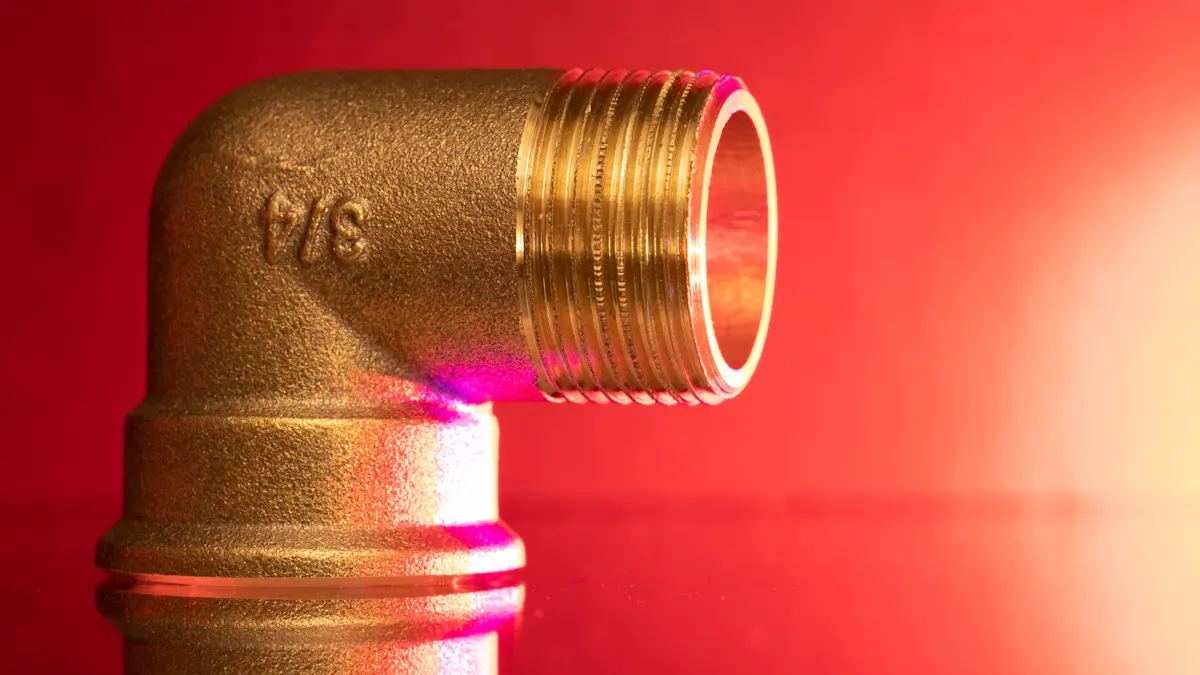
Maintaining T pipe fittings in harsh environments is crucial for ensuring their longevity and optimal performance. Regular care enhances durability, preventing costly repairs and replacements. Key practices such as frequent inspections, cleaning, and lubrication significantly contribute to the lifespan of these fittings. Implementing these strategies can lead to improved efficiency and reduced operational downtime.
Key Takeaways
- Regularly inspect T pipe fittings to catch wear and damage early. Monthly inspections are best for harsh conditions.
- Clean T pipe fittings with mild detergents and soft brushes. Proper cleaning prevents corrosion and extends their lifespan.
- Use the right lubricants designed for your fittings. This reduces friction and helps prevent rust, ensuring optimal performance.
Regular Inspection of T Pipe Fittings
Regular inspections of T pipe fittings play a vital role in maintaining their integrity and performance, especially in harsh environments. Establishing a consistent inspection schedule helps identify potential issues before they escalate into significant problems.
Frequency of Inspections
Inspecting T pipe fittings should occur at regular intervals. The frequency of these inspections can depend on several factors, including the environment, the material of the fittings, and the operational conditions. Here are some general guidelines:
- Monthly Inspections: For environments with extreme temperatures or corrosive substances, monthly inspections are advisable.
- Quarterly Inspections: In less severe conditions, a quarterly schedule may suffice.
- Annual Inspections: For fittings in stable environments, an annual inspection can be adequate.
By adhering to these guidelines, operators can ensure that they catch any early signs of wear or damage.
Signs of Wear and Damage
During inspections, personnel should look for specific indicators of wear and damage. Recognizing these signs early can prevent costly repairs and extend the lifespan of T pipe fittings. Common signs to watch for include:
- Cracks
- Dents
- Scratches
- Signs of corrosion
These visual or measurable indicators often signal impending failure. Addressing these issues promptly can mitigate risks and enhance the reliability of the fittings. Regular inspections, combined with a keen eye for these signs, will significantly contribute to the longevity of T pipe fittings in challenging environments.
Cleaning and Lubrication for T Pipe Fittings
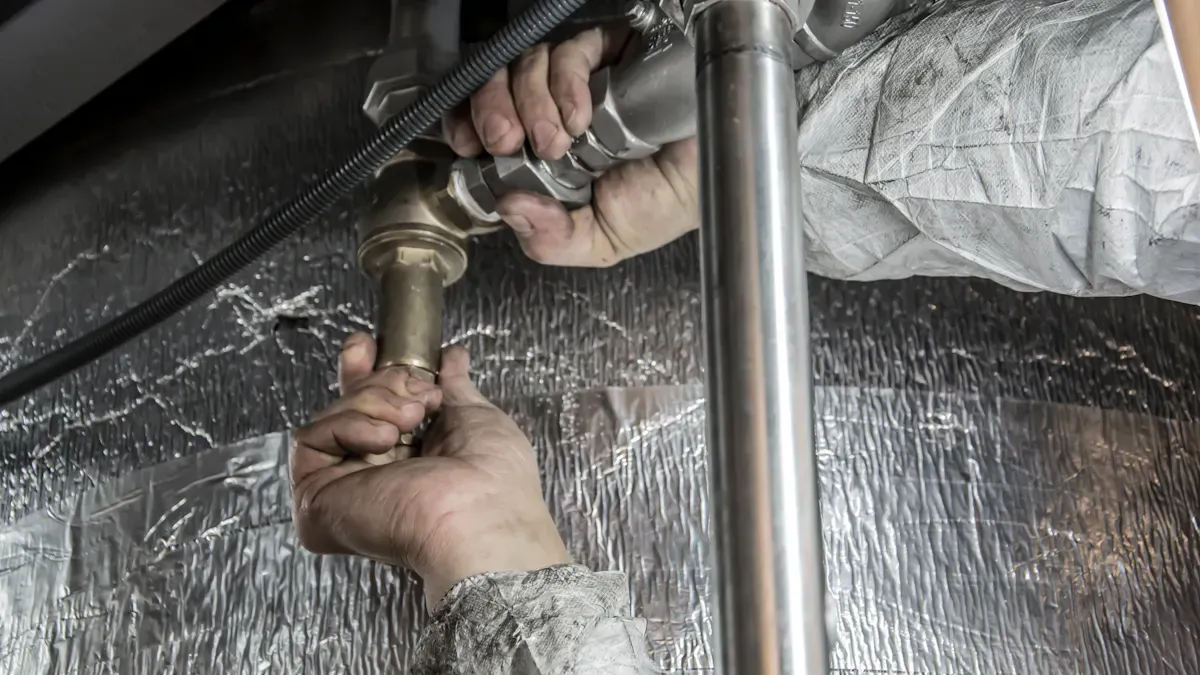
Cleaning and lubrication are essential for maintaining T pipe fittings in harsh environments. Regular cleaning removes contaminants that can lead to corrosion and wear. Proper lubrication reduces friction and enhances the performance of the fittings.
Recommended Cleaning Techniques
To effectively clean T pipe fittings, operators should follow these techniques:
- Use Mild Detergents: Mild detergents help break down grease and grime without damaging the fittings.
- Soft Brushes: Employ soft brushes to scrub surfaces gently. Avoid abrasive materials that can scratch the fittings.
- Rinse Thoroughly: After cleaning, rinse the fittings with clean water to remove any detergent residue.
- Dry Completely: Ensure that the fittings dry completely to prevent moisture accumulation, which can lead to corrosion.
Implementing these cleaning techniques will help maintain the integrity of T pipe fittings.
Importance of Lubrication
Lubrication plays a critical role in the longevity of T pipe fittings. It minimizes friction between moving parts, reducing wear and tear. Proper lubrication also helps prevent rust and corrosion, especially in environments with high humidity or exposure to chemicals.
Operators should choose lubricants specifically designed for the materials of their T pipe fittings. Regularly applying lubricant according to the manufacturer’s recommendations will ensure optimal performance and extend the lifespan of the fittings.
By prioritizing cleaning and lubrication, operators can significantly enhance the durability and reliability of T pipe fittings in challenging conditions.
Protection from Corrosion for T Pipe Fittings
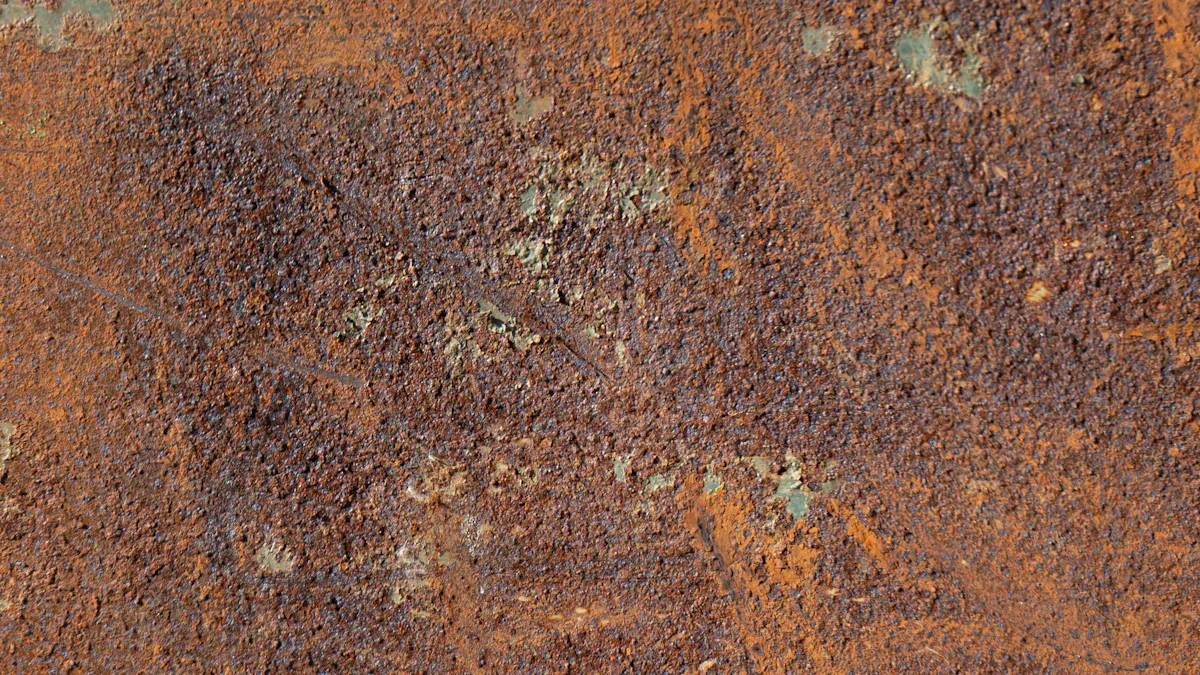
Corrosion poses a significant threat to the longevity of T pipe fittings, especially in harsh environments. Understanding the types of corrosion and implementing protective measures can greatly enhance the durability of these fittings.
Types of Corrosion
Corrosion can manifest in various forms, each affecting T pipe fittings differently. Here are some common types:
- Uniform Corrosion: This type occurs evenly across the surface, often due to exposure to moisture and chemicals. It gradually thins the material.
- Pitting Corrosion: This localized form creates small holes or pits in the fittings. It often results from chloride exposure, which can be particularly damaging.
- Crevice Corrosion: This occurs in confined spaces where stagnant water or chemicals accumulate. It can lead to severe degradation in hard-to-reach areas.
- Galvanic Corrosion: This happens when two different metals come into contact in the presence of an electrolyte, leading to accelerated corrosion of one metal.
Recognizing these types of corrosion helps operators take proactive measures to protect T pipe fittings.
Protective Coatings and Treatments
Applying protective coatings and treatments is essential for safeguarding T pipe fittings against corrosion. Here are some effective options:
- Epoxy Coatings: These coatings provide a strong barrier against moisture and chemicals. They adhere well to metal surfaces and offer excellent resistance to corrosion.
- Galvanization: This process involves coating the fittings with a layer of zinc. The zinc acts as a sacrificial anode, protecting the underlying metal from corrosion.
- Paints and Sealants: Specialized paints and sealants can offer additional protection. They create a waterproof layer that prevents moisture from reaching the metal surface.
- Corrosion Inhibitors: Adding corrosion inhibitors to the fluid flowing through the pipes can help reduce the rate of corrosion. These chemicals form a protective film on the metal surface.
Implementing these protective measures can significantly enhance the lifespan of T pipe fittings, ensuring they perform reliably even in challenging conditions.
Proper Installation of T Pipe Fittings
Proper installation of T pipe fittings is crucial for ensuring their longevity and performance. Following best practices during installation can prevent future issues and enhance the reliability of the fittings.
Best Practices for Installation
To achieve optimal results, operators should adhere to the following best practices:
- Follow Manufacturer Guidelines: Always refer to the manufacturer’s instructions for specific installation requirements.
- Use Appropriate Tools: Utilize the right tools for the job to avoid damaging the fittings. This includes wrenches, pliers, and pipe cutters.
- Ensure Proper Alignment: Align the fittings correctly to prevent stress on the joints. Misalignment can lead to leaks and premature failure.
- Check for Debris: Before installation, inspect the pipes and fittings for debris or contaminants. Clean surfaces thoroughly to ensure a proper seal.
- Tighten Connections Securely: Use the correct torque specifications when tightening connections. Over-tightening can cause damage, while under-tightening may lead to leaks.
Common Installation Mistakes
Even experienced personnel can make mistakes during installation. Here are some common errors to avoid:
- Ignoring Environmental Conditions: Failing to consider temperature and humidity can affect the installation process and the performance of the fittings.
- Neglecting to Inspect Fittings: Skipping the inspection of fittings before installation can lead to overlooking defects that may cause issues later.
- Using Incorrect Fittings: Using fittings that do not match the pipe material or size can result in leaks and system failures.
- Rushing the Process: Taking shortcuts during installation can lead to significant problems down the line. Always allocate sufficient time for proper installation.
By following these best practices and avoiding common mistakes, operators can ensure the longevity and effectiveness of T pipe fittings in harsh environments.
Training and Education on T Pipe Fittings
Training and education on T pipe fittings are essential for ensuring that personnel understand their proper use and maintenance. Knowledgeable staff can significantly reduce the risk of errors that may lead to costly repairs or system failures.
Importance of Staff Training
Investing in staff training enhances the overall performance of T pipe fittings. Trained employees can identify potential issues early, ensuring timely interventions. They also understand the specific requirements for installation, maintenance, and inspection. This knowledge fosters a culture of safety and efficiency within the organization.
Organizations should consider implementing the following training strategies:
- Hands-On Workshops: Practical training sessions allow employees to gain experience with T pipe fittings in real-world scenarios.
- Safety Protocols: Training should emphasize safety measures to protect staff and equipment during installation and maintenance.
- Regular Refresher Courses: Ongoing education helps keep staff updated on the latest technologies and best practices.
Resources for Ongoing Education
Numerous resources are available to support ongoing education on T pipe fittings. Organizations can utilize:
- Industry Conferences: Attending conferences provides insights into new developments and networking opportunities with experts.
- Online Courses: Many platforms offer courses focused on pipe fitting and maintenance, allowing staff to learn at their own pace.
- Manufacturer Training Programs: Collaborating with manufacturers can provide tailored training specific to the products used.
By prioritizing training and education, organizations can ensure the longevity and reliability of T pipe fittings in harsh environments.
Regular maintenance of T pipe fittings significantly enhances their durability and performance. Following best practices leads to fewer repairs and increased efficiency. Organizations should encourage proactive measures, such as inspections and training, to ensure the longevity of their fittings. Investing time in maintenance pays off in the long run.
FAQ
What materials are best for T pipe fittings in harsh environments?
Stainless steel and PVC are excellent choices due to their corrosion resistance and durability.
How often should I inspect T pipe fittings?
Inspect T pipe fittings monthly in harsh conditions and quarterly in less severe environments.
Can I use regular lubricants on T pipe fittings?
No, always use lubricants specifically designed for the materials of your T pipe fittings to ensure optimal performance.
Post time: Apr-03-2026